
|
 |
 | | | | | | |||||||||||||||||||||||||||||||||||||||||||||||||||||||||||||||||||||||||||||||||||||||||||||||||||||||||||||||||||||||||||||||||||||||||||||||||||||||||||||||||||||||||||||||||||||||||||||||||||||||||
| | | You are in: Middle East | |||||||||||||||||||||||||||||||||||||||||||||||||||||||||||||||||||||||||||||||||||||||||||||||||||||||||||||||||||||||||||||||||||||||||||||||||||||||||||||||||||||||||||||||||||||||||||||||||||||||||||
|
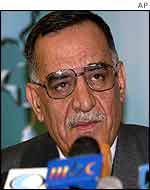
| | Friday, 27 December, 2002, 15:57 GMT UN to question Iraqi scientist abroad  Starting overseas interviews would be a turning point United Nations inspectors in Iraq say they are preparing to take an Iraqi scientist outside the country for questioning for the first time. A spokesman told the BBC the interview would take place soon, but he would not say when or where it would be held. A UN resolution gave inspectors the power to take Iraqi weapons experts out of the country to enable them to speak more freely.
Baghdad has continued to insist that it has no programme to develop banned nuclear, chemical or biological weapons. But pressure has been kept up against Saddam Hussein by the United States which has been pushing the UN inspections teams to take a more aggressive approach. Secrecy Washington has been encouraging the UN teams to use the full latitude offered them by the resolution which was passed in November. That allows scientists to be taken out of Iraq for questioning away from fear of being monitored. The BBC's Caroline Hawley says the interview outside Iraq would be a significant development, a month after the inspectors returned to Iraq. But there are unlikely to be any details made public until after the interview is completed. Earlier this week, inspectors in Baghdad held their first formal interview with an Iraqi scientist - a man associated with Iraq's past nuclear programme. They offered to talk to him in private, but he asked for an official Iraqi witness. 'Nothing to hide' Iraq continues to comply with the demands of the UN resolution and has let inspectors go where they want as well as producing a 12,000-page document detailing its activities, all of which it says are innocent. On Thursday, Iraq's chief liaison officer with the UN inspectors said the teams had visited 188 sites but had found no evidence of weapons of mass destruction.
He said scientists could go abroad to be interviewed, but he saw no need for such a move. Meanwhile - as both sides continue to prepare for a possible conflict - the head of the UN's refugee agency told the BBC that the international community should do everything to prevent a war. Ruud Lubbers said a US-led war designed to force Saddam Hussein to disarm could cause a humanitarian disaster. The Iraqi Government has begun helping its citizens stockpile food in case of a US-led attack and Washington is continuing its military build-up in the area. | |

 See also: 26 Dec 02 | Middle East 26 Dec 02 | Middle East 26 Dec 02 | South Asia 25 Dec 02 | Europe 26 Dec 02 | Africa Internet links: The BBC is not responsible for the content of external internet sites Top Middle East stories now: Links to more Middle East stories are at the foot of the page. | |||||||||||||||||||||||||||||||||||||||||||||||||||||||||||||||||||||||||||||||||||||||||||||||||||||||||||||||||||||||||||||||||||||||||||||||||||||||||||||||||||||||||||||||||||||||||||||||||||||||||
 | |
|  E-mail this story to a friend E-mail this story to a friend |
| |
| Links to more Middle East stories |
| | | ||
 | ||||
 | | Back to top
| ||
| ---------------------------------------------------------------------------------- To BBC Sport>> | To BBC Weather>> | To BBC World Service>> ---------------------------------------------------------------------------------- © MMIII | News Sources | Privacy |







 58.14%
  41.86%