|
 |
 | | | | | | |||||||||||||||||||||||||||||||||||||||||||||||||||||||||||||||||||||||||||||||||||||||||||||||||||||||||||||||||||||||||||||||||||||||||||||||||||||||||||||||||||||||||||||||||||||||||||||
| | | You are in: Middle East | |||||||||||||||||||||||||||||||||||||||||||||||||||||||||||||||||||||||||||||||||||||||||||||||||||||||||||||||||||||||||||||||||||||||||||||||||||||||||||||||||||||||||||||||||||||||||||||||
|
| | Friday, 8 November, 2002, 18:10 GMT Analysis: Iraq's tough choices 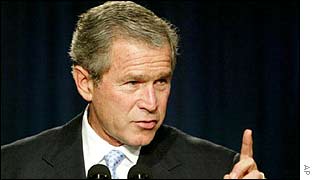 Bush will react to any breach of the resolution
Security Council resolution 1441 is the golden bridge across which Saddam Hussein can pass to avoid war. If he doesn't cross it, he is stranded. And will be attacked. And he will have to march across it smartly. The most significant words from President Bush after the unanimous vote by the Council (and he didn't even wait until the Russians had spoken in the Council) were that "any act of delay or defiance" by Iraq would be regarded as a material breach and a "signal" that it would not co-operate. In other words, the United States is not going to get bogged down on what constitutes a breach. "Any" is the key word. Any act will be enough. Unilateral action? It is a tall order and the pessimists (the realists they call themselves) predict that Iraq will find it impossible to comply.
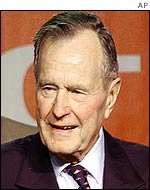
Pessimism is often the most useful guide to the course of events. In this case, it is still true that war in inevitable unless Saddam Hussein backs down. Washington reserves the right to make its own decision on when and whether to go to war. It is committed under the resolution only to take part in a meeting of the Security Council to "consider" the position if there is non-compliance. It is not committed to waiting for any second resolution specifically authorising military action. Unanimity threatened George Bush senior waited for such authorisation in 1991. George Bush junior will not. He would hope to get it if Iraq is defiant but he will not require it.
The procedure therefore carries the seeds of conflict within the Security Council. If the US and the United Kingdom decided that a breach has taken place (assuming they take the same view) and France and Russia do not agree, there could be a breakdown of the present unanimity with inevitable international recriminations. The US and UK could charge off to war leaving the Council behind. This resolution, the result of weeks of detailed diplomacy coming down to individual words, could simply be putting off the evil day. The hard part The unity seen in the Gulf War of 1991 may not be on display in a Gulf War of 2002/3. No wonder the president remarked: "Now comes the hard part". Already the Russians have said that the wording of the resolution is "not ideal" and that Iraq might need more than 30 days to make the declaration of its weapons programmes. So already there are signs of squabbling. On the other hand, a path to peace has been mapped out. It is a difficult one but the resolution, as the Russian UN Ambassador Sergei Lavrov said, "deflects the direct threat of war". | |
See also:  07 Nov 02 | Americas 08 Nov 02 | Politics 08 Nov 02 | Middle East Internet links: The BBC is not responsible for the content of external internet sites Top Middle East stories now: Links to more Middle East stories are at the foot of the page. | |||||||||||||||||||||||||||||||||||||||||||||||||||||||||||||||||||||||||||||||||||||||||||||||||||||||||||||||||||||||||||||||||||||||||||||||||||||||||||||||||||||||||||||||||||||||||||||
| |
|  E-mail this story to a friend E-mail this story to a friend |
| |
| Links to more Middle East stories |
| | | ||
 | ||||
 | | Back to top
| ||
| ---------------------------------------------------------------------------------- To BBC Sport>> | To BBC Weather>> | To BBC World Service>> ---------------------------------------------------------------------------------- © MMIII | News Sources | Privacy |