|
 |
 | | | | | | ||||||||||||||||||||||||||||||||||||||||||||||||||||||||||||||||||||||||||||||||||||||||||||||||||||||||||||||||||||||||||||||||||||||||||||||||||||||||||||||||||||||||||||||||||||||||||||||
| | | You are in: Middle East | ||||||||||||||||||||||||||||||||||||||||||||||||||||||||||||||||||||||||||||||||||||||||||||||||||||||||||||||||||||||||||||||||||||||||||||||||||||||||||||||||||||||||||||||||||||||||||||||||
|
| | Wednesday, 30 October, 2002, 12:08 GMT Putting Saddam on trial 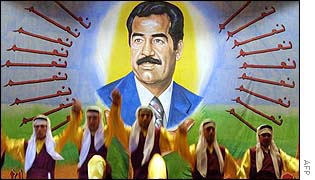 Saddam Hussein could face trial inside Iraq
The debate is further evidence of the way in which American thinking is being projected forward to consideration of a post Saddam Hussein Iraq.
But until recently, the type of tribunal envisaged remained vague. Charles Forest, director of Indict - a London-based group (funded partly by the US State Department) which is gathering evidence for a war crimes trial - said: "There is a growing consensus that the best solution would be for Saddam Hussein to be tried in Iraq under Iraqi law." International judges He said there could be an international element, with foreign judges sitting alongside Iraqi judges in a special court. This would help avoid any impression that Iraqis who suffered under Saddam were taking revenge. And Iraqi law would have to be changed first. "At the moment, Saddam Hussein and the top leadership are immune under Iraqi law," he said. The charges would include the use of poison gas, the execution of prisoners of war, the campaign against the Kurds in the 1980s and against marsh Arabs and crimes committed during the invasion and occupation of Kuwait According to Mr Forest, an American lawyer who worked with the UN in Bosnia, there is a little chance that a special International Tribunal would be convened to try Saddam Hussein in, say, The Hague, where the former Yugoslav leader Slobodan Milosovic is now on trial. This is because the International Court has now been set up - and the UN might not want to undermine that, even though the ICC jurisdiction does not cover events before 1 July 2002. Indict Saddam Hussein Indict's Chair, the MP Ann Clwyd who also heads the UK All-Party Human Rights Group, doubts however if such a plan would work and she is calling for European governments, including the British, to bring in indictments against Saddam Hussein and other Iraqi leaders now.
Indict and the Iraq Foundation in the United States have gathered evidence from witnesses and documents which would provide the basis of any prosecution. One of the biggest collections of documents was captured by the Kurds during their uprising in northern Iraq in 1991. These papers have been deposited in the University of Colorado. Charles Forest of Indict says they provide clear evidence that Saddam Hussein and his aides, especially Saddam's cousin Ali Hasan a-Majid, ordered the deaths of entire families and villages. Ali Hasan is known as "Chemical Ali" to Iraqi exiles because of his alleged role in the chemical attack on Halabja, a Kurdish village. | |
See also:  19 Sep 02 | Europe 29 Oct 02 | Middle East 28 Oct 02 | Americas 27 Oct 02 | Americas 23 Oct 02 | Middle East Internet links: The BBC is not responsible for the content of external internet sites Top Middle East stories now: Links to more Middle East stories are at the foot of the page. | ||||||||||||||||||||||||||||||||||||||||||||||||||||||||||||||||||||||||||||||||||||||||||||||||||||||||||||||||||||||||||||||||||||||||||||||||||||||||||||||||||||||||||||||||||||||||||||||
| |
|  E-mail this story to a friend E-mail this story to a friend |
| |
| Links to more Middle East stories |
| | | ||
 | ||||
 | | Back to top
| ||
| ---------------------------------------------------------------------------------- To BBC Sport>> | To BBC Weather>> | To BBC World Service>> ---------------------------------------------------------------------------------- © MMIII | News Sources | Privacy |