|
 |
 | | | | | | |||||||||||||||||||||||||||||||||||||||||||||||||||||||||||||||||||||||||||||||||||||||||||||||||||||||||||||||||||||||||||||||||||||||||||||||||||||||||||||||||||||||||||||||||||||||||||||
| | | You are in: Middle East | |||||||||||||||||||||||||||||||||||||||||||||||||||||||||||||||||||||||||||||||||||||||||||||||||||||||||||||||||||||||||||||||||||||||||||||||||||||||||||||||||||||||||||||||||||||||||||||||
|
| | Monday, 23 September, 2002, 11:30 GMT 12:30 UK Iraq dossier - what to look for 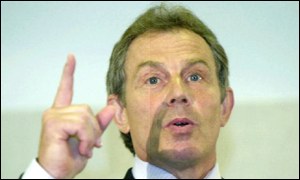 Tony Blair needs to go beyond well-known reports
Overall, there should be evidence both of an intention to make weapons of mass destruction (nuclear, chemical and biological) and evidence that it has, or is likely, to achieve that. However, the US and British Governments will probably place more emphasis on Iraq's intentions than its achievements. In this context, the Iraqi leader's previous use of chemical weapons (against his own people in Halabja for example) will be mentioned. And remember that weapons inspectors have not been in Iraq since 1998 so detailed evidence from the ground will be lacking, though there may be evidence from reconnaissance or defectors. Nuclear weapons None of the published reports on Iraq's nuclear capacity have said that Iraq has developed a nuclear weapon. So the evidence here will have to show that it is trying to do so and, if possible, how successful it has been.
Crucially, Iraq has lacked fissile material (enriched uranium or plutonium). Evidence that it has acquired or has even seriously come close to acquiring such material from abroad would be highly significant, indeed sensational. Simply an assertion that it could build a bomb within, say, a year of getting such material would be a repetition of a well known claim. President Bush made this assertion to the UN General Assembly earlier this month. Look for evidence that Iraq is trying to get equipment to make its own enriched uranium, for example by sending its agents and business people into the international market. The published studies say that if it did the job itself, Iraq would need perhaps five years to make enough for a bomb. There were reports recently that it had tried and failed to buy special tubing which could be used for centrifuges to enrich uranium, though some say such tubing could be used for other purposes as well. Iraq constructed centrifuges (which spin uranium to extract the U-235 used in a bomb) before the Gulf War so has the knowledge to do this again. Chemical and biological weapons There are two factors:
Figures, or estimates, on such stocks would be important. The British Government said in 1998 that 31,000 chemical shells and 4000 tonnes of precursor chemicals have not been properly accounted for. It also said that Iraq did not account for all the biological growth agents which it had produced. An indication as to the state of such stocks would be useful. Scott Ritter, the former UN weapons inspector, has suggested that some chemical and biological agents do not have a long shelf life. Before 1991, Iraq developed the biological agents anthrax and botulinum toxin (highly poisonous though also used in special form in medicine). Its chemical weapons programme developed mustard gas, the nerve gas sarin and the most toxic of all, VX (used in the film "The Rock" about a threat to San Francisco). Emphasis should be produced in the dossier on Iraq's capacity to resume production at short notice. Delivery systems Iraq might be able to fire chemical and biological shells from its artillery and so threaten US and other forces within Iraq or very close. But could it deliver its weapons further afield?
There is a consensus in the think-tank and government reports that Iraq might have a small stock (perhaps up to 12) of Scud missiles of a range of several hundred kilometres, enough to hit Israel. Will the report deal with this threat? And will it indicate whether Iraq has made, or is trying to make, warheads for such missiles which could carry a weapon of mass destruction? Iraq is permitted to build rockets with a range up to 150 kilometres. Will there be evidence that it is trying to extend the range of these rockets? There may well be a reference to a container known as a "drop tank" for chemical weapons for use by an Iraqi fighter and to a Czech-made jet trainer, the L29, which might have been converted to a remotely controlled vehicle to spray chemical weapons. A British Tornado attack in 1998 blew the roof off a hangar and revealed these aircraft. A modified L29 could be sent on a one way mission to Israel. The dossier might indicate how far advanced this programme is. Links to international terrorism There have been suggestions recently that Iraq has been harbouring al-Qaeda elements. However the group usually referred to, Ansar al-Islam (Partisans of Islam), seems to be small in number and confined to a largely Kurdish-controlled area near the Iranian border. The Iraqis say that they do not support it. There have previously been reports that an Iraqi agent met one of the 11 September hijackers in Prague but this has not been developed very far and remains unresolved. Will the report produce harder evidence linking Iraq to al-Qaeda? | |
See also:  03 Sep 02 | Politics 03 Sep 02 | Politics 03 Sep 02 | Politics Internet links: The BBC is not responsible for the content of external internet sites Top Middle East stories now: Links to more Middle East stories are at the foot of the page. | |||||||||||||||||||||||||||||||||||||||||||||||||||||||||||||||||||||||||||||||||||||||||||||||||||||||||||||||||||||||||||||||||||||||||||||||||||||||||||||||||||||||||||||||||||||||||||||
| |
|  E-mail this story to a friend E-mail this story to a friend |
| |
| Links to more Middle East stories |
| | | ||
 | ||||
 | | Back to top
| ||
| ---------------------------------------------------------------------------------- To BBC Sport>> | To BBC Weather>> | To BBC World Service>> ---------------------------------------------------------------------------------- © MMIII | News Sources | Privacy |