
|
 |
 | | | | | | ||||||||||||||||||||||||||||||||||||||||||||||||||||||||||||||||||||||||||||||||||||||||||||||||||||||||||||||||||||||||||||||||||||||||||||||||||||||||||||||||||||||||||||||||||||||||||||||||||||||||||||||||||||||||||||||||||||||||||||||||||||||||
| | | You are in: Middle East | ||||||||||||||||||||||||||||||||||||||||||||||||||||||||||||||||||||||||||||||||||||||||||||||||||||||||||||||||||||||||||||||||||||||||||||||||||||||||||||||||||||||||||||||||||||||||||||||||||||||||||||||||||||||||||||||||||||||||||||||||||||||||||
|
| | Sunday, 15 September, 2002, 07:04 GMT 08:04 UK Iraq accuses US of seeking 'pretext' 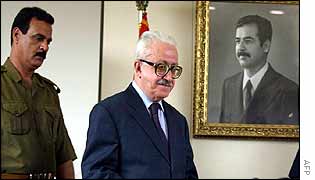 Aziz accused arms inspectors of mercenary motives One of Iraq's top officials has again denied all the accusations directed at his country by US President George W Bush in his speech to the UN General Assembly. Deputy Prime Minister Tariq Aziz told journalists in Baghdad that the US had turned down all of Iraq's offers to check for weapons of mass destruction and was looking for a "pretext to justify an unjustifiable invasion and aggression on Iraq".
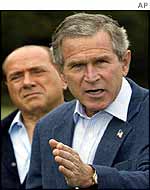
"The UN will either be able to function as a peacekeeping body as we head into the 21st century or it will be irrelevant - and that's what we're about to find out," he said. The US president was speaking at Camp David during a visit by Italian Prime Minister Silvio Berlusconi. Meanwhile Arab nations have taken the initiative in trying to persuade Iraq to re-admit weapons inspectors.
BBC UN correspondent Greg Barrow says that the nations are anxious to avoid the prospect of a US-led military campaign in Iraq. Many were relieved last week when President Bush indicated he was prepared to go through the UN Security Council to deal with the threat from Iraq. But they are also aware that unless Iraq decides to co-operate with the UN, military action could still be inevitable. Oil prize When Mr Aziz spoke in Baghdad, he said Iraq was open to all suggestions for a solution to arms inspection crisis but that at the moment no one had come forward with any specific plan. If there was such a plan, he said, Iraq would consider it. He said that Washington was not concerned about weapons of mass destruction but was trying to control Iraqi oil. This, he said, was part of a US plan to re-order the Middle East. The Iraqi deputy prime minister went on to accuse previous weapons inspectors of keeping inspections going in order to continue receiving large pay cheques. 'We'll deal with it' In his speech to the UN General Assembly on Thursday, Mr Bush issued a blunt warning that action against Iraq would be unavoidable if the Iraqi leader continued to refuse to disarm.
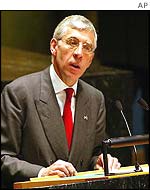
"Make no mistake about it. If we have to deal with the problem, we'll deal with it." "We must choose between a world of fear, or a world of progress," he said in his weekly radio address, earlier on Saturday. "The world community must do so as well." Mr Bush added that several leaders had "called on the world to act", including UK Prime Minister Tony Blair, Spanish Prime Minister Jose Maria Aznar and Polish President Aleksandr Kwasniewski. UN resolution The US leader's calls for firm and decisive action were backed up by UK Foreign Secretary Jack Straw. Speaking at the UN on Saturday, Mr Straw said no country in the world presented such a fundamental challenge to the UN. Weapons of mass destruction, he said, posed the greatest threat to global security. "We cannot let the United Nations' unique authority, leading the international community, be undermined by those who have no respect for it," he said. | |
 
 See also: 15 Sep 02 | Politics 14 Sep 02 | Politics 14 Sep 02 | Middle East 13 Sep 02 | Middle East 13 Sep 02 | Middle East 13 Sep 02 | Politics 13 Sep 02 | Media reports 13 Sep 02 | Middle East Internet links: The BBC is not responsible for the content of external internet sites Top Middle East stories now: Links to more Middle East stories are at the foot of the page. | ||||||||||||||||||||||||||||||||||||||||||||||||||||||||||||||||||||||||||||||||||||||||||||||||||||||||||||||||||||||||||||||||||||||||||||||||||||||||||||||||||||||||||||||||||||||||||||||||||||||||||||||||||||||||||||||||||||||||||||||||||||||||
| |
|  E-mail this story to a friend E-mail this story to a friend |
| |
| Links to more Middle East stories |
| | | ||
 | ||||
 | | Back to top
| ||
| ---------------------------------------------------------------------------------- To BBC Sport>> | To BBC Weather>> | To BBC World Service>> ---------------------------------------------------------------------------------- © MMIII | News Sources | Privacy |








 51.44%
  48.56%