|
 |
 | | | | | | ||||||||||||||||||||||||||||||||||||||||||||||||||||||||||||||||||||||||||||||||||||||||||||||||||||||||||||||||||||||||||||||||||||||||||||||||||||||||||||||||||||||||||||||||||||||||||
| | | You are in: Middle East | ||||||||||||||||||||||||||||||||||||||||||||||||||||||||||||||||||||||||||||||||||||||||||||||||||||||||||||||||||||||||||||||||||||||||||||||||||||||||||||||||||||||||||||||||||||||||||||
|
| | Wednesday, 4 September, 2002, 16:15 GMT 17:15 UK Little hope for Gaza peace deal  Many Palestinian homes are little more than ruins
South of Gaza City, the paths of Palestinians and Jewish settlers cross. Above the road, there is a bridge exclusively for the settlers. Vehicles using it are protected from snipers by huge concrete screens. The Israeli army - here to guard the settlements - frequently stops the Palestinian traffic below. The soldiers are looking for people suspected of involvement in attacks on Israeli targets.
Ambulances get stuck in the queue - their sirens silent, their red lights flashing. A recent deal between the Israelis and the Palestinians was supposed to ease the situation. The Israelis were to scale down their military presence in Gaza and Bethlehem. In return, the Palestinian security forces were to do more to rein in the militants. Hatred and mistrust Marwan Kanafani is just one of the many Palestinian politicians who have rejected the agreement. "We don't think it's going to last," he said. "We don't trust the intentions and aims of the Israelis. "As long as we don't discuss the real issues - the real policies that were the cause of what has happened in the last two years - nothing is going to change."
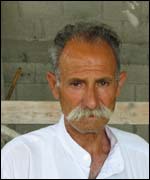
A short distance away, across a wasteland of rubble, stands a wall protecting a Jewish settlement. Palestinian fighters and settlers frequently exchange fire. The Israeli army demolishes houses it says are used as sniping positions. Abu Mohammed says his house has been steadily destroyed over the last two years. It was last hit after the agreement was reached. He denies it was used by fighters, and does not trust any deal with the Israelis. "The Israelis are against all agreements," he said. "We want the West Bank, Jerusalem and Yasser Arafat as President of a Palestinian state. If we don't get that, we die - and they die." Working together? There is still some economic co-operation. At an industrial estate on the edge of the Gaza strip, for example, Palestinians sew clothes for Israeli enterprises. Israeli Foreign Minister Shimon Peres visited the estate recently. He also toured a freight terminal where produce is moved from Gaza into Israel.
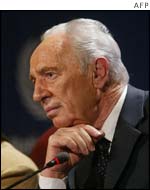
Mr Peres supports the so-called "Gaza-Bethlehem first" agreement. But he has doubts about Palestinian commitment. "Apparently among themselves there is a great debate," he said. "There are people who have a hidden agenda, and they think they can achieve more by terror than they can achieve by negotiations." Asked about the Palestinians' insistence that they can only keep the peace when the army has gone, he said: "In Gaza, they can take over immediately. In Bethlehem, we told them we shall move out. We told them every place you show a capacity to provide security, we shall be out." There is little sign of that happening yet. In Gaza City, the evening traffic flows freely. It is the implementation of the new agreement which has all but stalled. The Palestinians want troop withdrawal, the Israelis security. Neither side seems to believe that the other is capable of keeping its side of the deal. | |
See also:  23 Aug 02 | Middle East 04 Sep 02 | Middle East 25 Jul 02 | Middle East 16 Jul 02 | Middle East Internet links: The BBC is not responsible for the content of external internet sites Top Middle East stories now: Links to more Middle East stories are at the foot of the page. | ||||||||||||||||||||||||||||||||||||||||||||||||||||||||||||||||||||||||||||||||||||||||||||||||||||||||||||||||||||||||||||||||||||||||||||||||||||||||||||||||||||||||||||||||||||||||||
 | |
|  E-mail this story to a friend E-mail this story to a friend |
| |
| Links to more Middle East stories |
| | | ||
 | ||||
 | | Back to top
| ||
| ---------------------------------------------------------------------------------- To BBC Sport>> | To BBC Weather>> | To BBC World Service>> ---------------------------------------------------------------------------------- © MMIII | News Sources | Privacy |






 We want the West Bank, Jerusalem and Yasser Arafat as President of a Palestinian state. If we don't get that, we die - and they die