|
 |
 | | | | | | |||||||||||||||||||||||||||||||||||||||||||||||||||||||||||||||||||||||||||||||||||||||||||||||||||||||||||||||||||||||||||||||||||||||||||||||||||||||||||||||||||||||||||||||||||||||||
| | | You are in: Middle East | |||||||||||||||||||||||||||||||||||||||||||||||||||||||||||||||||||||||||||||||||||||||||||||||||||||||||||||||||||||||||||||||||||||||||||||||||||||||||||||||||||||||||||||||||||||||||||
|
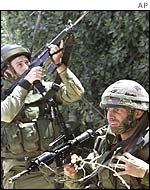
| | Thursday, 8 August, 2002, 13:41 GMT 14:41 UK Analysis: Israel's strategy splits 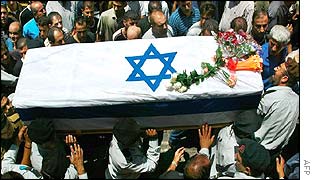 The pace of deadly Palestinian attacks has increased
A spate of attacks by Palestinian militants - in spite of Israel's clampdown on the West Bank - has led many in Israel to question how much more the Jewish state can do to protect itself.
Israeli spokesmen claim that many bomb attempts have been forestalled. But in the absence of any significant political progress towards peace this war of attrition between the Palestinians and Israel looks set to continue. Split over tactics At first sight the latest upsurge in Palestinian violence seems directly linked to Israel's bombing last month of a crowded apartment block in Gaza City. That raid, by an Israeli F-16 warplane, killed 14 Palestinians along with a prominent Hamas commander. Since then, the pace of successful Palestinian attacks has increased, although Israeli spokesmen insist that their security operations are still thwarting many would-be suicide bombers. Israelis of all political persuasions want security. But there are huge differences in opinion as to how best this can be assured. These differences extend, not surprisingly, to policy-makers, senior commanders and even soldiers in front-line combat units. Ideas range from total re-occupation of the Palestinian-controlled areas - through the current policy of large-scale incursions - to much more limited and brief incursions when the security situation demands it. Wider developments But for all the debate, there is no easy answer to ending the cycle of violence.
The apparent upsurge in Palestinian attacks is undoubtedly linked to the Gaza bombing, but it is also intended to push the Israelis into further large-scale reprisals. This is something that the strategists of Hamas and other hardline groups believe will only serve their interests. The Israeli military, on the other hand, is said by insiders to be eager to resist any temptation for large-scale operations. Its strategists are said to prefer taking a long view, waiting on wider developments such as the possible removal of Iraqi President Saddam Hussein and the possible reduction of Palestinian leader Yasser Arafat to more of a figurehead role. The construction of Israel's new security fence separating parts of the West Bank from Israel could also prove crucial. But there are no guarantees of a rosier future, and the danger is that some spectacular Palestinian attack could provoke Israel into an even stronger response, whether the Israeli army wants it or not. | |
See also:  05 Aug 02 | Middle East 05 Aug 02 | Middle East 28 Jun 02 | Middle East 04 Aug 02 | Middle East 05 Aug 02 | Middle East Internet links: The BBC is not responsible for the content of external internet sites Top Middle East stories now: Links to more Middle East stories are at the foot of the page. | |||||||||||||||||||||||||||||||||||||||||||||||||||||||||||||||||||||||||||||||||||||||||||||||||||||||||||||||||||||||||||||||||||||||||||||||||||||||||||||||||||||||||||||||||||||||||
| |
|  E-mail this story to a friend E-mail this story to a friend |
| |
| Links to more Middle East stories |
| | | ||
 | ||||
 | | Back to top
| ||
| ---------------------------------------------------------------------------------- To BBC Sport>> | To BBC Weather>> | To BBC World Service>> ---------------------------------------------------------------------------------- © MMIII | News Sources | Privacy |