|
 |
 | | | | | | ||||||||||||||||||||||||||||||||||||||||||||||||||||||||||||||||||||||||||||||||||||||||||||||||||||||||||||||||||||||||||||||||||||||||||||||||||||||||||||||||||||||||||||||||||||||||||||||||||||||||||||||||||||||||||||||||||||||||||||||
| | | You are in: Middle East | ||||||||||||||||||||||||||||||||||||||||||||||||||||||||||||||||||||||||||||||||||||||||||||||||||||||||||||||||||||||||||||||||||||||||||||||||||||||||||||||||||||||||||||||||||||||||||||||||||||||||||||||||||||||||||||||||||||||||||||||||
|
| | Friday, 2 August, 2002, 14:19 GMT 15:19 UK Analysis: Iraq's diplomatic tactics 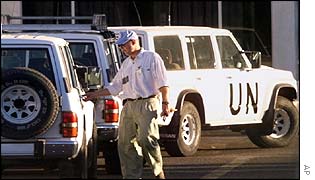 UN inspectors left Iraq in 1998
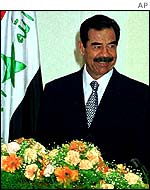
President Saddam Hussein's move to invite the United Nation's chief weapons inspector to Iraq came a few hours after President Bush reaffirmed his policy of removing the Iraqi leader from power by whatever means were necessary. The increasing likelihood of an American military attack is clearly driving the tactics adopted by Baghdad. Over the past few months, Saddam Hussein has manoeuvred to get the backing of fellow Arabs.
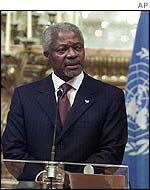
He went along with the Saudi plan to offer Israel normal relations with the Arabs provided it gave back all the territory occupied in 1967. In return the Arab leaders said they would treat an attack on Iraq as an attack on all Arabs. At the same time, the Iraqi government held out the possibility of allowing UN arms inspectors back in for the first time since the end of 1998. Playing games? Talks a month ago between the Iraqis and the UN Secretary-General, Kofi Annan, made no progress. But now Iraq has proposed what it calls technical discussions in Baghdad, to establish a basis for the next stage of monitoring and inspection activities. To western sceptics, that sounds like an attempt to get the UN to tell Baghdad in advance what the inspectors will do.
A spokesman said Saddam Hussein had a long history of playing games. Those who remember the years of alternating Iraqi obstruction and co-operation during the 1990s may be inclined to agree. On more than one occasion, the Iraqis prevented the inspectors from entering the front of a building they wanted to search until evidence of weapons programmes had been taken out the back. Iraq's argument so far has been that it no longer has weapons of mass destruction and that a renewed inspection operation would be exploited by Washington to spy on Iraq and prepare better for a military assault designed to overthrow the regime. Preventing attack But now Saddam Hussein's overriding objective is to delay or if possible prevent such an attack. The more inevitable it seems, the better it might be for him to have UN arms inspectors on the ground, enmeshed in a quasi-diplomatic process that could be dragged out for months. Arab supporters of Iraq would then be able to argue that there was a real prospect of satisfying the inspectors and paving the way for the lifting of sanctions. But that, of course, would leave the Iraqi leader in power - the one thing President Bush does not want.
Iraq has not even said yet that it will let them back in. But the question is whether the Bush administration may feel compelled to go along with the return of the inspectors, under certain conditions, in order to convince its doubting allies in the Arab world and Europe that it has tried everything before resorting to force. In contrast to Britain, Russia welcomed the Iraqi invitation as an important step towards resolving the crisis through political and diplomatic means. The Russians oppose an American military attack - so do almost all the west Europeans, though the message is more muted in public. Italy says it would take part only if there was clear evidence of a weapons programme in Iraq. France and Germany have made it clear they could not support military action unless it were authorised by the UN Security Council. And even the British Prime Minister, Tony Blair - according to King Abdullah of Jordan - is worried about the destabilising effect it would have on the Middle East. But Mr Bush brushed off the King's criticism, reinforcing the impression that whatever tactical concessions Saddam Hussein makes, military action will come. The question is not if, but when. | |
See also:  02 Aug 02 | Middle East 02 Aug 02 | Politics 02 Aug 02 | Middle East 02 Aug 02 | Americas 01 Aug 02 | Middle East 30 Jul 02 | Americas Internet links: The BBC is not responsible for the content of external internet sites Top Middle East stories now: Links to more Middle East stories are at the foot of the page. | ||||||||||||||||||||||||||||||||||||||||||||||||||||||||||||||||||||||||||||||||||||||||||||||||||||||||||||||||||||||||||||||||||||||||||||||||||||||||||||||||||||||||||||||||||||||||||||||||||||||||||||||||||||||||||||||||||||||||||||||
| |
|  E-mail this story to a friend E-mail this story to a friend |
| |
| Links to more Middle East stories |
| | | ||
 | ||||
 | | Back to top
| ||
| ---------------------------------------------------------------------------------- To BBC Sport>> | To BBC Weather>> | To BBC World Service>> ---------------------------------------------------------------------------------- © MMIII | News Sources | Privacy |