|
 |
 | | | | | | |||||||||||||||||||||||||||||||||||||||||||||||||||||||||||||||||||||||||||||||||||||||||||||||||||||||||||||||||||||||||||||||||||||||||||||||||||||||||||||||||||||||||||||||||||||||||||||||||||||||||||||||||||||||||
| | | You are in: Middle East | |||||||||||||||||||||||||||||||||||||||||||||||||||||||||||||||||||||||||||||||||||||||||||||||||||||||||||||||||||||||||||||||||||||||||||||||||||||||||||||||||||||||||||||||||||||||||||||||||||||||||||||||||||||||||||
|
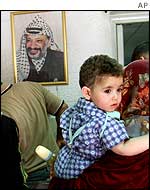
| | Saturday, 29 June, 2002, 14:31 GMT 15:31 UK Powell defends Bush plan for Arafat Powell is seen as a moderate in the Bush administration US Secretary of State Colin Powell has defended President Bush's tough policy towards the Palestinian leader, Yasser Arafat, saying it may have "jarred some nerves" but it had strong international support. The president delivered his long-awaited recipe for progress in the Middle East last Monday, at the heart of which was a call for Palestinians to elect a "new and different leadership... not compromised by terror".
He said Mr Arafat had earned the president's rebuke because there was "a price to be paid" for his perceived inaction over terrorism and reform of his administration. "It must begin with all parties recognising that terrorism must end, terrorism must not be allowed to pay, that people have to defend themselves against terrorism," Mr Powell said. The secretary of state said evidence that Mr Arafat had authorised payment of a group that carried out a suicide bombing against Israel had hardened the Bush administration's resolve to turn to other Palestinian leaders. White House dove Mr Powell has been seen as one of the more conciliatory members of the US administration regarding the Palestinians and their leader, and last week's presidential statement was seen by analysts as a victory for administration hawks led by Vice President Dick Cheney.
"We're going to talk about a process that will lead to a state within three years, if we can move in the right direction and if you make the right kind of choices. And if you don't make the right kind of choices, it is not possible to move in this direction." Saudi Arabia has meanwhile made public its opposition to the new Bush policy. The head of Saudi intelligence, Prince Nawaf bin Abdul-Aziz, told the London-based Saudi newspaper Sharq al-Awsat that Washington's opposition to the Palestinian leadership made it a party to the conflict and complicated the path to peace. He added that the Kingdom was against any intervention in the internal affairs of the Palestinians. | |
See also:  28 Jun 02 | Middle East 26 Jun 02 | Middle East 26 Jun 02 | Middle East 26 Jun 02 | Middle East Internet links: The BBC is not responsible for the content of external internet sites Top Middle East stories now: Links to more Middle East stories are at the foot of the page. | |||||||||||||||||||||||||||||||||||||||||||||||||||||||||||||||||||||||||||||||||||||||||||||||||||||||||||||||||||||||||||||||||||||||||||||||||||||||||||||||||||||||||||||||||||||||||||||||||||||||||||||||||||||||||
| |
|  E-mail this story to a friend E-mail this story to a friend |
| |
| Links to more Middle East stories |
| | | ||
 | ||||
 | | Back to top
| ||
| ---------------------------------------------------------------------------------- To BBC Sport>> | To BBC Weather>> | To BBC World Service>> ---------------------------------------------------------------------------------- © MMIII | News Sources | Privacy |