|
 |
 | | | | | | ||||||||||||||||||||||||||||||||||||||||||||||||||||||||||||||||||||||||||||||||||||||||||||||||||||||||||||||||||||||||||||||||||||||||||||||||||||||||||||||||||||||||||||||||||||||||||
| | | You are in: Middle East | ||||||||||||||||||||||||||||||||||||||||||||||||||||||||||||||||||||||||||||||||||||||||||||||||||||||||||||||||||||||||||||||||||||||||||||||||||||||||||||||||||||||||||||||||||||||||||||
|
| | Tuesday, 18 June, 2002, 16:15 GMT 17:15 UK What are Bush's Middle East ideas? Israel's planned security fence has caused contention
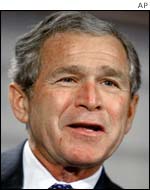
The latest suicide bomb exploded in Jerusalem as President Bush was putting the final touches to Middle East peace proposals drawn up after extensive consultations with the Arabs and Israelis. Reconciling their contradictory positions was already a formidable task. Now, as so often, it has been complicated further - not just by the bomb, but by Israel starting work on a 110-kilometre (70-mile) security fence to seal off the West Bank. The US State Department commented that if the move was an attempt to establish a border, that had to be done through Israeli-Palestinian talks. Palestinian statehood Speculation about what Mr Bush may say in a speech this week has focused on the possibility of declaring a provisional Palestinian state.
The United States already supports the creation of a viable Palestinian state alongside Israel. Setting out a way to get there is what Mr Bush said his speech would be about. A provisional Palestinian state would have no final borders. Those would be negotiated later, probably only after real reform of Palestinian government institutions. Mr Bush was expected to put at least as much emphasis on that, reflecting the disagreements within his administration between the State Department and others. Over the weekend, his national security advisor Condoleezza Rice said the present Palestinian Authority led by Yasser Arafat was "corrupt" and "cavorted with terror" - and it was not the basis for a Palestinian state.
Would it have only virtual, rather than real existence? Would it have any more power than the present administration, given that the Israelis are intervening every day to enforce security on their own terms? And being provisional, could it not be revoked at any time in the future? Timescale issues Palestinian and other Arab leaders are sceptical about the value of such an exercise. Together with America's European allies, they argue that there must be some kind of timetable for moving towards a final settlement. Otherwise, the provisional Palestinian state would remain in diplomatic limbo. Crown Prince Abdullah of Saudi Arabia, who spoke to Mr Bush on the telephone on Sunday, emphasised that point. He told journalists he hoped there would be an independent Palestine by the end of the president's first term.
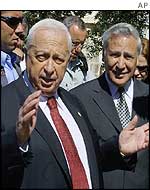
He insists political talks cannot begin until the violence stops. British officials, though, note that Mr Sharon has talked about an interim state in the past. The Israeli Government also says that reform of the Palestinian Authority must come first, before peace negotiations. The Europeans argue that reform cannot be a precondition for the political process. Mr Bush's speech is not expected to come to grips with two of the knottiest issues dividing Palestinians and Israelis - the future of Jerusalem and the return of Palestinian refugees. As always, it seems, they will be kicked into the future. One of Mr Arafat's senior aides, Nabil Shaath, did present a document last week to the American Secretary of State, Colin Powell, which is reported to include a softening of position on those two issues. On refugees, for example, the document does not specifically demand a right of return - rather, a just and agreed solution. That follows the line taken by the Arab summit in March. The Israelis have been dismissive. If negotiations are ever to reach this point, heavy international pressure, principally American, will be necessary. Mr Bush is expected to refer to the need for international involvement in the form of a Middle East conference later this year. But that is only a mechanism. He needs some common understanding of the way ahead in order to make progress. Up to now, he does not have it. So whatever he says, the president's plan will require more intensive diplomacy and a good deal of luck to make it happen. | |
See also:  18 Jun 02 | Middle East 18 Jun 02 | Middle East 17 Jun 02 | Middle East 13 Jun 02 | Middle East 18 Jun 02 | Middle East Internet links: The BBC is not responsible for the content of external internet sites Top Middle East stories now: Links to more Middle East stories are at the foot of the page. | ||||||||||||||||||||||||||||||||||||||||||||||||||||||||||||||||||||||||||||||||||||||||||||||||||||||||||||||||||||||||||||||||||||||||||||||||||||||||||||||||||||||||||||||||||||||||||
| |
|  E-mail this story to a friend E-mail this story to a friend |
| |
| Links to more Middle East stories |
| | | ||
 | ||||
 | | Back to top
| ||
| ---------------------------------------------------------------------------------- To BBC Sport>> | To BBC Weather>> | To BBC World Service>> ---------------------------------------------------------------------------------- © MMIII | News Sources | Privacy |