|
 |
 | | | | | | |||||||||||||||||||||||||||||||||||||||||||||||||||||||||||||||||||||||||||||||||||||||||||||||||||||||||||||||||||||||||||||||||||||||||||||||||||||||||||||||||||||||||||||||||||||||||||||||
| | | You are in: Middle East | |||||||||||||||||||||||||||||||||||||||||||||||||||||||||||||||||||||||||||||||||||||||||||||||||||||||||||||||||||||||||||||||||||||||||||||||||||||||||||||||||||||||||||||||||||||||||||||||||
|
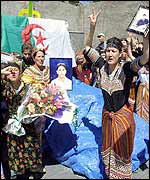
| | Monday, 27 May, 2002, 15:19 GMT 16:19 UK Algeria set for stormy vote Standing are 23 parties and 1,266 independents Campaigning has ended for Algeria's parliamentary election which is due to be held on Thursday. People living in remote areas cast the first ballots inside Algeria on Monday while citizens living overseas began voting at the weekend. Ethnic unrest in the largely Berber-speaking region of Kabylie has led to a boycott of the polls there, while the country as a whole is suffering from economic hardship and a war against Islamic rebels. Established pro-government parties will be vying with moderate Islamist parties for the 389 seats in the National People's Assembly. Police and customs officers have joined nomads in voting at roving polling stations in the desert south, to be followed by soldiers on Tuesday. Around 18 million people out of a population of about 31 million are eligible to vote, including about 800,000 Algerians living abroad. Berber boycott In the days running up to the vote, President Abdelaziz Bouteflika's authorities have been cracking down on dissent, banning foreign media from Kabylie. Berber activists have been trying to seize polling-stations in a bid to halt the vote altogether and are urging a general strike.
The activists say they are leading a citizens' revolt against authorities which they perceive as corrupt, arbitrary and uninterested in improving the dire social conditions in which most Algerians live. Their anger was sparked a year ago when a local youth was killed while in the custody of the security forces. Riots in turn led to the shooting of more than 80 unarmed demonstrators by the security forces. The BBC's Heba Saleh reports from Algiers that it is not yet clear how much force the authorities are willing to use to ensure that polling-stations open in Kabylie on Thursday. Heavy police reinforcements have already been dispatched there. For President Bouteflika's military-backed state, our correspondent says, this is a direct challenge to its authority. Crackdown Attacks on the security forces and civilians by suspected Islamic rebels from organisations such as the Armed Islamic Group have continued in recent months, adding to the tension.
The president was visiting a university campus in the city when the students threw stones at his motorcade and booed him over the Kabylie crisis. While no-one was actually hurt in the incident, the court sentenced the students to up to two years in prison each. | |
See also:  09 May 02 | Middle East 16 May 02 | Middle East 02 May 02 | Middle East 01 May 02 | Middle East 11 Jan 02 | Middle East 18 Mar 02 | Country profiles 18 Mar 02 | Middle East Internet links: The BBC is not responsible for the content of external internet sites Top Middle East stories now: Links to more Middle East stories are at the foot of the page. | |||||||||||||||||||||||||||||||||||||||||||||||||||||||||||||||||||||||||||||||||||||||||||||||||||||||||||||||||||||||||||||||||||||||||||||||||||||||||||||||||||||||||||||||||||||||||||||||
| |
|  E-mail this story to a friend E-mail this story to a friend |
| |
| Links to more Middle East stories |
| | | ||
 | ||||
 | | Back to top
| ||
| ---------------------------------------------------------------------------------- To BBC Sport>> | To BBC Weather>> | To BBC World Service>> ---------------------------------------------------------------------------------- © MMIII | News Sources | Privacy |