|
 |
 | | | | | | |||||||||||||||||||||||||||||||||||||||||||||||||||||||||||||||||||||||||||||||||||||||||||||||||||||||||||||||||||||||||||||||||||||||||||||||||||||||||||||||||||||||||||||||||||||||||||||||||||||||||||||||||||||||||||||||||||
| | | You are in: Middle East | |||||||||||||||||||||||||||||||||||||||||||||||||||||||||||||||||||||||||||||||||||||||||||||||||||||||||||||||||||||||||||||||||||||||||||||||||||||||||||||||||||||||||||||||||||||||||||||||||||||||||||||||||||||||||||||||||||||
|
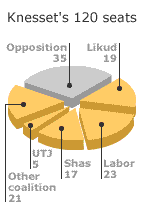
| | Wednesday, 22 May, 2002, 22:21 GMT 23:21 UK Sharon's majority slashed Sharon took a major political gamble in dismissing the ministers Israeli Prime Minister Ariel Sharon's parliamentary majority has been wiped out after the dismissal of ministers from two ultra-Orthodox parties came into effect on Wednesday night. The departure of the Shas and United Torah Judaism (UTJ) parties from the national unity government has left Mr Sharon with just half the seats in the 120-member parliament (Knesset).
The Knesset passed the austerity package when it was presented for a second time on Wednesday. The $2.7bn emergency plan of spending cuts and tax rises is designed to help pay for Israel's military operations against the Palestinians. Political risk Mr Sharon took a huge political gamble when he sacked all cabinet and junior ministers from the two parties, signalling that he would not tolerate dissent within government ranks.
Mr Sharon's majority has been cut from 82 seats to 60, leaving him vulnerable to a no-confidence vote. But the BBC's Jeremy Cooke says Wednesday's vote in the Knesset means Mr Sharon has not only survived a potential political crisis; he has emerged from the turmoil with his personal power and credibility strengthened. The question now is whether by not actively voting against the budget cuts, Shas has done enough to convince Mr Sharon that they should be invited back into the coalition government. According to our correspondent, political sources are suggesting that the prime minister is reluctant to reverse his decision. Mr Sharon told reporters on Wednesday: "The break with these parties is final. The matter is closed." 'No danger' At least one opposition party was expected to join Mr Sharon, and the government seems to be in no immediate danger of falling.
Shinui, a secular party, refuses to serve in a government alongside Shas. Shas and the UTJ were trying to get special government subsidies for Orthodox religious students exempted from the austerity package. The government has been warning that, unless the package was passed, Israel's budget deficit could rise from 3% to 6% which could affect the country's credit rating. | |
See also:  21 May 02 | Media reports 30 Oct 00 | Middle East 09 Jan 02 | Business Internet links: The BBC is not responsible for the content of external internet sites Top Middle East stories now: Links to more Middle East stories are at the foot of the page. | |||||||||||||||||||||||||||||||||||||||||||||||||||||||||||||||||||||||||||||||||||||||||||||||||||||||||||||||||||||||||||||||||||||||||||||||||||||||||||||||||||||||||||||||||||||||||||||||||||||||||||||||||||||||||||||||||||
| |
|  E-mail this story to a friend E-mail this story to a friend |
| |
| Links to more Middle East stories |
| | | ||
 | ||||
 | | Back to top
| ||
| ---------------------------------------------------------------------------------- To BBC Sport>> | To BBC Weather>> | To BBC World Service>> ---------------------------------------------------------------------------------- © MMIII | News Sources | Privacy |