|
 |
 | | | | | | ||||||||||||||||||||||||||||||||||||||||||||||||||||||||||||||||||||||||||||||||||||||||||||||||||||||||||||||||||||||||||||||||||||||||||||||||||||
| | | You are in: In Depth: Newsmakers | ||||||||||||||||||||||||||||||||||||||||||||||||||||||||||||||||||||||||||||||||||||||||||||||||||||||||||||||||||||||||||||||||||||||||||||||||||||||
|
| | Friday, 11 October, 2002, 16:39 GMT 17:39 UK Sarah Waters: Tipped for the top 
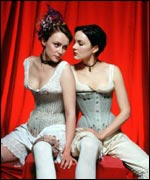
 Cue for the Sun labels: "sizzling", "raunchy" and "one of the most provocative programmes ever screened". Actress Rachael Stirling, who plays Nan, one of the central characters, has described the tabloids' response as "homophobic". Waters, sometimes sounding like an academic, but occasionally just flippant, is more relaxed at the tabloid treatment. But she acknowledges that she was intent on depicting something more unusual than gay sex: "You hardly ever see dramas about women falling in love, losing lovers, finding new ones, in a very unapologetic way."
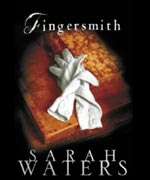
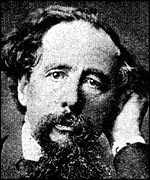
Both young women found themselves falling in love, a romance which lasted for six years. Lesbians' biggest problems don't come from "negotiating heterosexual society," says Waters, "but from having your heart broken." Sarah Waters' second novel, Affinity, set in a Victorian women's prison, won the Somerset Maugham Award, while her third, Fingersmith, set in 1860s London, has been short-listed for the Booker Prize. She was teaching for the Open University when she began writing Tipping the Velvet. Brooding vision Seeing her stamped, addressed envelope on the doormat had become a familiar experience before she found a publisher, Virago. Then she had to handle the pressure that followed from the book's success. The fact that someone had promised payment for Affinity made it "a swine to write". Sarah Waters' imagination was influenced by Victorian writers such as Wilkie Collins, author of The Woman in White; the name of one of her characters in Fingersmith, Mrs Sucksby, is defiantly Dickensian.
Nor does she see any point in denying that she "pilfers" material, as, almost inevitably, do most novelists. Reading for a PhD and her thesis on the idea of history in gay writing, she drank copiously from the well of Victorian pornography in the rare books section of the British Library. "You'd order things like Lady Flaybum's Academy and they would look at you askance, but really it's a fantastic resource." "Diabolical" characters Now 36, there's little to distinguish Sarah Waters' lifestyle from that of her student days. She lives in a rented flat on the sixth floor of a Brixton council block with her two cats, the circular drinks bar she purloined from a skip and the familiar print of a green-tinged Oriental woman that alone would undermine the credentials of most owners. Although her work is often likened to Dickens' creations, "Waters' villains are far more sneaky," says one reviewer, while another feels "we can almost feel Waters smiling at her own cunning, though there is nothing precious or self-regarding about the way she carries it off on the page". She says she wanted to make her characters "truly diabolical", but also found their predicaments painful. "There were great scandals in the 1860s where perfectly sane but troublesome women were incarcerated."
"Zadie Smith is a Dickensian writer because she's writing about society now, just as Dickens was writing about his," she explains. Having worked her way backwards through the decades in her three Victorian novels, Waters' next book will be set in the London of the 1940s. "At the risk of washing my dirty laundry in public," she says she means "to explore both the pleasures and perils of long-term lesbian relationships". She has said she would prefer to be even a third-rate novelist to a second-rate academic. But now the Booker Prize judges have outlawed "pompous, pretentious novels", she may soon have to accept that she is a Premier Division writer. | |
Internet links:  The BBC is not responsible for the content of external internet sites Top Newsmakers stories now: Links to more Newsmakers stories are at the foot of the page. | ||||||||||||||||||||||||||||||||||||||||||||||||||||||||||||||||||||||||||||||||||||||||||||||||||||||||||||||||||||||||||||||||||||||||||||||||||||
| |
|  E-mail this story to a friend E-mail this story to a friend |
| |
| Links to more Newsmakers stories |
| | | ||
 | ||||
 | | Back to top
| ||
| ---------------------------------------------------------------------------------- To BBC Sport>> | To BBC Weather>> | To BBC World Service>> ---------------------------------------------------------------------------------- © MMIII | News Sources | Privacy |