|
 |
 | | | | | | ||||||||||||||||||||||||||||||||||||||||||||||||||||||||||||||||||||||||||||||||||||||||||||||||||||||||||||||||||||||||||||||||||||||||||||||||||
| | | You are in: In Depth | ||||||||||||||||||||||||||||||||||||||||||||||||||||||||||||||||||||||||||||||||||||||||||||||||||||||||||||||||||||||||||||||||||||||||||||||||||||
|
| | Friday, 8 November, 2002, 09:51 GMT Ugandan Asians - successful refugees 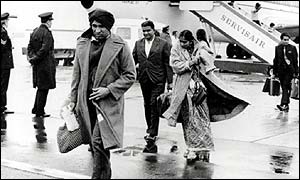 Idi Amin expelled Asians from Uganda 30 years ago
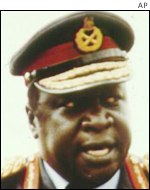
Accusing them of being "bloodsuckers", the Ugandan military ruler told the country's approximately 80,000 Asians to leave and on 26 August 1972 gave them until 9 November to pack up and go. The vast majority did, leaving behind most of their wealth and possessions.
The majority arrived in their new homes poor, frightened and worried about what the future held for them. But they also took with them a determination to rebuild their lives. In Uganda, many Asians had become prosperous traders, businessmen and shopkeepers. Others were prominent in the medical profession or in education. But their success was not always to the liking of their Ugandan compatriots and seeking scapegoats for economic problems and a quick way of seizing valuable assets, Idi Amin decided that they should be expelled. Some Ugandans, jealous of Asian prosperity, welcomed the decision and sought to benefit by getting their hands on the property left behind. Many Ugandans were opposed, others just bemused, but under Idi Amin it could be fatal to criticise the military government. It was only in 1992, that current President Yoweri Museveni called on Uganda's Asians to return and moved to restore their property. Don't come to Leicester The largest groups of those who left Uganda went to Britain - the former colonial power which had taken them from India to Uganda in the first place as cheap labour to build railways and perform other menial tasks. The prime minister in 1972, Edward Heath, said that Britain had a moral responsibility to help all those Asians who had British passports. The government prepared for their resettlement with centres across the country.
Leicester is now a thriving centre for British Asians, but in 1972 it was not such a hospitable place. As the resettlement started and many Asians tried to find friends and relatives in the UK who could help them, Leicester City Council, afraid that it could not cope with a large influx of Asians, placed adverts in Ugandan newspapers urging the Asians to stay away from Leicester. Only this year did the council officially apologise for its actions. Many of the families that came to Britain were initially housed in old military camps with very few facilities. But this far from enthusiastic welcome did not deter them from trying to rebuild their lives. The business skills they had built up served them well in Britain, Canada and the USA. Jaffer Kapasi was one of those who left Uganda in 1972. He is now a successful financial consultant and businessman. He told the BBC's Hardtalk programme that it was the drive to get back the high standard of living that they had lost that provided the motivation to succeed. Self-reliance In Britain they rebuilt their lives and their community, showing an extraordinary entrepreneurial spirit and self-reliance. "I never fell back on the state for any kind of support at any time from the very first day that I arrived here," says Manzoor Moghal. "I wanted to explode this myth that Asians were scroungers."
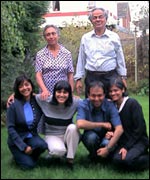
Mr Moghal was part of the Asian business community in Uganda who had to start again in 1972. The success of the Ugandan Asians in overcoming the catastrophic consequences of expulsion is now used by groups which oppose restrictions on immigration. They say that the Asians proved that far from being a drain on the resources of host countries, immigrants often become creators of wealth and employment. Britain's Observer newspaper says that in Leicester, once so opposed to the arrival of the Asians, an estimated 30,000 jobs have been created through the rise of Ugandan Asian businesses. Racism and wealth Many Ugandan Asians remember with bitterness their expulsion from Uganda Jaffer Kapasi says he is still angry that Idi Amin has never been brought to trial - he lives in exile in Saudi Arabia having been overthrown in 1979. But some have taken the view that however wrong the actions of Idi Amin, the Asian community did not exactly endear itself to Ugandans. Yasmin Alibhai Brown is a newspaper columnist. She and her family left Uganda in 1972.
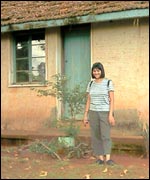
Looking back, she says that she still misses her homeland but also loves London, where she now lives. "Many Ugandan Asians have similar ambiguous views - that so much was lost and even more gained when Amin banished us from a country we had helped build". She says that the Asians did little to share their wealth and skills, they sent money out of the country illegally and "most Asians were deeply racist, unable to imagine marrying Africans and living with them as equals". On 26 August, the 30th anniversary of the expulsion order by Idi Amin, Ms Alibhai Brown wrote in Britain's Independent newspaper that she once attended a meeting addressed by President Museveni of Uganda at which he said that properties and homes would be handed back to Asians who returned to Uganda. She says that the president also reminded them that relatively few Asians had been killed in Uganda but that half a million Ugandans died in the wars that began during Mr Amin's period in power. She concluded that when looking back on the expulsion of the Asians, people needed to remember the truth about what happened. | | See also:  29 Oct 02 | Hardtalk 12 Apr 02 | Africa 11 Apr 02 | Africa 10 Apr 02 | Africa 09 May 99 | Kosovo 31 May 02 | Country profiles 11 Apr 02 | Country profiles Internet links: The BBC is not responsible for the content of external internet sites | ||||||||||||||||||||||||||||||||||||||||||||||||||||||||||||||||||||||||||||||||||||||||||||||||||||||||||||||||||||||||||||||||||||||||||||||||||
| |
|  E-mail this story to a friend E-mail this story to a friend |
| |
|
| | | ||
 | ||||
 | | Back to top
| ||
| ---------------------------------------------------------------------------------- To BBC Sport>> | To BBC Weather>> | To BBC World Service>> ---------------------------------------------------------------------------------- © MMIII | News Sources | Privacy |