|
 |
 | | | | | | |||||||||||||||||||||||||||||||||||||||||||||||||||||||||||||||||||||||||||||||||||||||||||||||||||||||||||||||||||||||||||||||||||||||
| | | You are in: In Depth | |||||||||||||||||||||||||||||||||||||||||||||||||||||||||||||||||||||||||||||||||||||||||||||||||||||||||||||||||||||||||||||||||||||||||
|
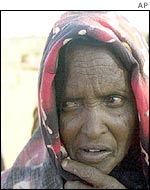
| | Thursday, 20 June, 2002, 11:49 GMT 12:49 UK Rich nations chided for failing refugees Most of the world's refugees are women and children Rich countries are being "short-sighted" on the issue of refugees and should do more to help those fleeing persecution around the world, the UN High Commissioner for Refugees (UNHCR) says.
In a speech given on the eve of World Refugee Day on Thursday, Ruud Lubbers criticised donor countries for failing the world's estimated 12 million refugees. "Frankly," he said in Geneva, "we need a lot more help than we've been getting." Mr Lubbers dedicated the day to women and children who make up the vast majority of refugees and who, he said, needed special assistance to ensure their safety and to help them become self-reliant. Breeding instability The reluctance of donor countries to contribute to UNHCR programmes to repatriate, protect and shelter refugees, Mr Lubbers warned, was "short-sighted." Desperate refugees, he said, often went on the move and fell prey to human smugglers and traffickers.
"If we cannot offer adequate protection and programmes for refugees, as well as some hope of durable solutions, refugee camps can become breeding grounds for despair," he said. Women and children make up an estimated 80% of the world's refugees and displaced people, the UN agency says. "We must ensure that their voice is heard, that their potential is developed, and that their role is fully recognised," Mr Lubbers said. Europe criticised Afghans still formed by far the largest refugee population in the world in 2001, with 3.8 million Afghans living abroad, although these statistics were compiled before Afghans began returning home in large numbers earlier this year. The second-largest refugee population was more than half-a-million Burundians in camps in Tanzania, followed by around 530,000 Iraqis living in Iran. Mr Lubbers' remarks came as a European Union summit in Seville, Spain, is set to address controversies over immigration and asylum seekers. The UN Secretary General, Kofi Annan, added his voice in a World Refugee message, appearing to single out the rise of anti-refugee sentiment in some places such as Europe. "In several countries in the world, asylum seekers are being stigmatised as potential criminals," he said, adding that refugees should receive "protection and assistance, not suspicion and contempt". | |   See also: 20 Jun 02 | In Depth 07 Jun 02 | In Depth 20 Jun 02 | Scotland 19 Jun 02 | Africa 18 Jun 02 | England 18 Jun 02 | Europe 16 Jun 02 | South Asia 17 Jun 02 | Europe Internet links: The BBC is not responsible for the content of external internet sites | |||||||||||||||||||||||||||||||||||||||||||||||||||||||||||||||||||||||||||||||||||||||||||||||||||||||||||||||||||||||||||||||||||||||
| |
|  E-mail this story to a friend E-mail this story to a friend |
| |
|
| | | ||
 | ||||
 | | Back to top
| ||
| ---------------------------------------------------------------------------------- To BBC Sport>> | To BBC Weather>> | To BBC World Service>> ---------------------------------------------------------------------------------- © MMIII | News Sources | Privacy |