|
 |
 | | | | | | |||||||||||||||||||||||||||||||||||||||||||||||||||||||||||||||||||||||||||||||||||||||||||||||||||||||||||||||||||||||||||||||||||||||||||
| | | You are in: In Depth | |||||||||||||||||||||||||||||||||||||||||||||||||||||||||||||||||||||||||||||||||||||||||||||||||||||||||||||||||||||||||||||||||||||||||||||
|
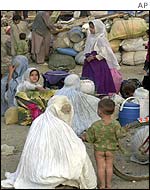
| | Friday, 7 June, 2002, 04:53 GMT 05:53 UK Refugee numbers on the rise The war on terror has worsened the problem The number of refugees in the world is steadily increasing according to a new report.
The organisation says the problem has been exacerbated by the repercussions of the 11 September attacks on New York and Washington, and the subsequent war on terrorism. "At a time when freedom is under attack, the world is turning its back on people seeking freedom" - that is the stark conclusion drawn by Lavinia Limon, the executive director of the committee.
When more people than ever are fleeing war and persecution, increased security concerns in the wake of the 11 September attacks in the United States combined with growing anti-immigrant sentiment have prompted a number of countries to impose tighter restrictions on asylum seekers, the committee says. The report says that last year the US admitted its fewest refugees since 1987. Canada and Mexico also tightened screening procedures for refugees, trying to establish a security perimeter for North America. The survey says that a number of other countries, including Britain and Germany, also tightened admission procedures. On the move The report says the number of refugees grew last year by 400,000 or 2.7%. More than 22 million people were internally displaced.
Afghanistan produced the largest number of uprooted persons. About 700,000 were newly internally displaced, while about 400,000 fled abroad. But by the middle of 2002, more than 500,000 Afghan refugees had returned home. The report also says about 1.8 million Africans in 19 countries were driven from their homes by war, armed insurgency and civil unrest. It says at least 13.9 million people in Africa remained uprooted at the start of 2002. In Colombia, more than 342,000 people were uprooted as a result of almost four decades of civil war between left-wing guerrillas and right-wing paramilitary groups. No quick fix The report says that refugees are often a symptom of a failing state. Citing Afghanistan as a prime example, it warns that such states can become breeding grounds for political and religious fanaticism. The US Committee for Refugees is calling for a new approach, with the promotion of democracy, human rights and conflict resolution at the centre of international efforts to address the issue. But the committee warns that there is no quick fix solution - attending to the needs of refugees, it says, requires resources, patience and commitment. | |   See also: 31 May 02 | Europe 04 May 02 | Asia-Pacific 31 May 02 | South Asia 30 May 02 | Asia-Pacific 30 May 02 | UK Politics 05 Jun 02 | Americas 30 May 02 | Europe 27 Feb 02 | Asia-Pacific 19 Feb 02 | Europe 05 Jun 02 | Europe Internet links: The BBC is not responsible for the content of external internet sites | |||||||||||||||||||||||||||||||||||||||||||||||||||||||||||||||||||||||||||||||||||||||||||||||||||||||||||||||||||||||||||||||||||||||||||
| |
|  E-mail this story to a friend E-mail this story to a friend |
| |
|
| | | ||
 | ||||
 | | Back to top
| ||
| ---------------------------------------------------------------------------------- To BBC Sport>> | To BBC Weather>> | To BBC World Service>> ---------------------------------------------------------------------------------- © MMIII | News Sources | Privacy |