
|
 |
 | | | | | | ||||||||||||||||||||||||||||||||||||||||||||||||||||||||||||||||||||||||||||||||||||||||||||||||||||||||||||||||||||||||||||||||||||||||||||||||||||||||||||||||||||||||||||||||
| | | You are in: Health | ||||||||||||||||||||||||||||||||||||||||||||||||||||||||||||||||||||||||||||||||||||||||||||||||||||||||||||||||||||||||||||||||||||||||||||||||||||||||||||||||||||||||||||||||||
|
| | Monday, 27 January, 2003, 02:22 GMT Children's foods 'still high in salt'  The salt in crisps has doubled in 25 years, survey finds An independent group which monitors the quality of food is challenging the claims of manufacturers to have reduced the levels of salt in their products. According to the Food Commission, the salt content of crisps has nearly doubled over the past 25 years, and some products aimed at children contain more salt in one serving than the recommended intake for a whole day. The commission took the levels of salt in crisps, white bread, canned baked beans and tinned tomato soup and compared them with the same products from 1978.
Levels in baked beans had also risen, while levels in tomato soup and white bread had fallen only slightly. The commission also looked at the salt content in some popular children's food and compared it with government recommended maximum daily salt intake for one to six-year-olds. They found a Burger King children's meal, a small can of Heinz Telly Tubbies pasta shapes and a single portion of a Dairylea Lunchables would each take a six-year-old child well over the recommended daily limit in just one serving. Heart attacks Eating high levels of salt is linked to high blood pressure, which is the main cause of strokes and a major factor in heart attacks. Food Commission researcher Kath Dalmeny said the food industry had to take greater responsibility for public health and reduce salt in processed food. She said: "The government has acknowledged that processed foods are the main source of salt in people's diets. "Most people, including children, eat about twice as much salt as the recommended maximum level. "However it is very hard for people to cut back on salt because it is hidden in everyday products such as bread, canned soup and baked beans." The commission also criticised the Football Association and nine Premiership football clubs for promoting junk foods and sugary drinks to children. The Food and Drink Federation said the commission's claims were "out of date, out of touch and based on self-selecting surveys". Martin Paterson, its deputy director general, said: "UK bread manufacturers have, for example, reduced salt across the product range by a quarter since the 1980's which has included reductions confirmed in a recent Food Standards Agency survey of breads. "The federation is currently working with the FSA to identify more products where reductions in salt have been achieved, and might be further reduced." | |
See also:  29 Nov 01 | Health 30 Jan 01 | Health 19 Feb 01 | Health 07 Feb 00 | Health 27 Jul 99 | Medical notes Internet links: The BBC is not responsible for the content of external internet sites Top Health stories now: Links to more Health stories are at the foot of the page. | ||||||||||||||||||||||||||||||||||||||||||||||||||||||||||||||||||||||||||||||||||||||||||||||||||||||||||||||||||||||||||||||||||||||||||||||||||||||||||||||||||||||||||||||||
 | |
|  E-mail this story to a friend E-mail this story to a friend |
| |
| Links to more Health stories |
| | | ||
 | ||||
 | | Back to top
| ||
| ---------------------------------------------------------------------------------- To BBC Sport>> | To BBC Weather>> | To BBC World Service>> ---------------------------------------------------------------------------------- © MMIII | News Sources | Privacy |




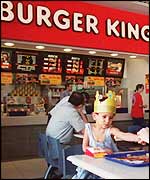
 It is very hard for people to cut back on salt because it is hidden in everyday products


