|
 |
 | | | | | | |||||||||||||||||||||||||||||||||||||||||||||||||||||||||||||||||||||||||||||||||||||||||||||||||||||||||||||||||||||||||||||||||||||||||||||||||
| | | You are in: Health | |||||||||||||||||||||||||||||||||||||||||||||||||||||||||||||||||||||||||||||||||||||||||||||||||||||||||||||||||||||||||||||||||||||||||||||||||||
|
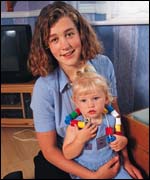
| | Saturday, 11 January, 2003, 00:01 GMT 'Diabetes nearly cost me my sight'  Tara Straton failed to take her regular insulin injections
Tara Straton was diagnosed a diabetic at the age of just nine. Doctors prescribed insulin and said her condition would need carefully monitoring. But Tara, now 26, said that despite her diagnosis she was never told the high risks she was running by ignoring her condition. Now she backs the government's National Service Framework for Diabetes, published this week, which promises more information and regular check-ups for diabetics like herself. Routine Tara said that during her teenage years she often neglected to take her insulin and monitor her blood sugar levels. Her eyesight started to suffer and although she noticed no problems her sight was deteriorating badly in one eye. Luckily a routine eye test alerted doctor's to the problem and she had three courses of laser treatment to save her sight.
Tara said that although she had been diagnosed at an early age, she was oblivious to the fact that diabetics could go blind or lose limbs if their condition was not controlled. "If they had said to me that I would lose my sight I would have taken more care. "People are not aware that somebody of my age, just 21 then, could face losing their sight.
"I had not noticed that there was a problem, I had just gone to the opticians for a routine appointment. "I was really lucky though as I now have good eyesight." Tara suffers from Type 1 diabetes which destroys the cells in the pancreas that produces the hormone insulin, which then has to be replaced with injections to control blood sugars. Type 2, or non-insulin dependent diabetes is the most common form of the disease, usually occurring in people who are over the age of 45 and overweight. Sufferers either do not make enough insulin, or are unable to make proper use of it, leading to a build-up of sugar in the cells which causes health problems. Action Each year thousands of people across England lose their sight every year, or are forced to have their limbs amputated as a result of diabetes. But the government has promised that from 2006, every person with the disease or at risk of developing it will be offered regular appointments with medical staff to try and stop this happening. From 2007 diabetics will be able to have regular eye tests at a local GP clinic to check their sight. Tara hopes that by taking such a pro-active stance the government will encourage diabetics like herself to take their condition more seriously. And she said that if she had known the risks she was running by ignoring her condition, she would never have done it. | | See also:  09 Jan 03 | Health 09 Feb 99 | Medical notes 14 Dec 01 | Health 18 Sep 02 | Health Internet links: The BBC is not responsible for the content of external internet sites Top Health stories now: Links to more Health stories are at the foot of the page. | |||||||||||||||||||||||||||||||||||||||||||||||||||||||||||||||||||||||||||||||||||||||||||||||||||||||||||||||||||||||||||||||||||||||||||||||||
 | |
|  E-mail this story to a friend E-mail this story to a friend |
| |
| Links to more Health stories |
| | | ||
 | ||||
 | | Back to top
| ||
| ---------------------------------------------------------------------------------- To BBC Sport>> | To BBC Weather>> | To BBC World Service>> ---------------------------------------------------------------------------------- © MMIII | News Sources | Privacy |






 If they had said to me that I would lose my sight I would have taken more care