
|
 |
 | | | | | | ||||||||||||||||||||||||||||||||||||||||||||||||||||||||||||||||||||||||||||||||||||||||||||||||||||||||||||||||||||||||||||||||||||||
| | | You are in: Health | ||||||||||||||||||||||||||||||||||||||||||||||||||||||||||||||||||||||||||||||||||||||||||||||||||||||||||||||||||||||||||||||||||||||||
|
| | Thursday, 12 December, 2002, 17:02 GMT Birth rate at all-time low 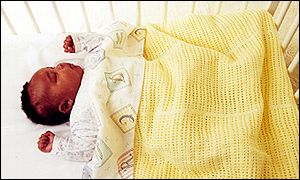 Babies: An increasingly rare phenomenon The birth rate in England and Wales has fallen to an all-time low, official figures show. And they reveal that one in five pregnancies nationwide ends in an abortion - one in three in some areas. The average number of children per woman is just 1.64 - the lowest since records began in 1924. And women are waiting on average until the age of 27 before starting a family. There was also a 2% drop in the number of live births in 2001. The figure in 2000 was 604,000, last year it was 595,000. Relationship breakdown The falling birth rate has been linked to more women opting for a career, work pressures and the higher rate of relationship breakdown. The highest birth rate was recorded in 1964, when the average woman had 2.93 children. The figures, published by the Office for National Statistics, are based on data collected for the 2001 Census. They show that over the last decade there has been a 10% rise in births outside marriage, from 30% in 1991 to 40% in 2001. In the same period, the number of multiple births has jumped by 22%, from 12.1 per 1,000 to 14.8 last year. Married women were more likely to have a multiple birth than unmarried women, suggesting fertility treatments such as IVF could have been a factor. Melissa Dear, of the Family Planning Association, told BBC News Online the falling birth rate was partly a reflection of the failure to provide women with adequate support. "Many organisations fail to implement child-friendly policies," she said. She contrasted the situation with the Scandinavian countries, where the birth rate is relatively high. "They have a much better work-life balance. In Sweden men get a year's paternity leave, and if you get the right support that can make the difference between, say, having three children or two." Regional differences The report also revealed variations in birth patterns across different regions. Women in London are most likely to abort a pregnancy. Almost a third (32.5%) of all conceptions in the capital are terminated, compared with fewer than a fifth (19.1%) in the east of England. Couples in the north east are having the fewest children, with an average of 1.58 per woman, compared with a high of 1.74 in the West Midlands. Under-25s had the highest number of births outside marriage - almost 90% of births to teenagers and 63% of births to women aged 20 to 24. But there was a drop in the rate of pregnancies among 15 to 17-year-olds, which stood at 43.8 per 1,000 conceptions in 2000, down 3% on 1999. The highest teenage birth rates were in the north east and Wales, both with 32.5 births per 1,000 to youngsters aged between 15 and 19, compared with a low of 22.1 per 1,000 in the south east. | | See also:  03 Jul 02 | Health 29 May 02 | Health 01 Mar 02 | Health Internet links: The BBC is not responsible for the content of external internet sites Top Health stories now: Links to more Health stories are at the foot of the page. | ||||||||||||||||||||||||||||||||||||||||||||||||||||||||||||||||||||||||||||||||||||||||||||||||||||||||||||||||||||||||||||||||||||||
| |
|  E-mail this story to a friend E-mail this story to a friend |
| |
| Links to more Health stories |
| | | ||
 | ||||
 | | Back to top
| ||
| ---------------------------------------------------------------------------------- To BBC Sport>> | To BBC Weather>> | To BBC World Service>> ---------------------------------------------------------------------------------- © MMIII | News Sources | Privacy |



