
|
 |
 | | | | | | ||||||||||||||||||||||||||||||||||||||||||||||||||||||||||||||||||||||||||||||||||||||||||||||||||||||||||||||||||||||||||||||||||||||
| | | You are in: Health | ||||||||||||||||||||||||||||||||||||||||||||||||||||||||||||||||||||||||||||||||||||||||||||||||||||||||||||||||||||||||||||||||||||||||
|
| | Friday, 29 November, 2002, 00:02 GMT Device measures baby blood flow 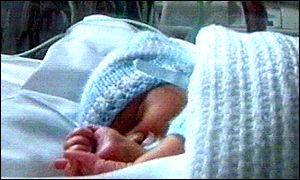 Premature babies are vulnerable Desperately-ill premature babies could be monitored more effectively by a technique which measures the flow of blood to the brain. The ultrasound technique, developed by specialists at the University Children's Hospital in Tubingen, Germany, could help protect babies from brain damage caused by a lack of oxygen getting through to delicate tissues. Premature babies are also at higher risk of bleeding on the brain. Current techniques to measure the flow of blood involve radiation scans. Dr Martin Schoning, who led the study, tried to measure the cerebral blood flow of 67 otherwise healthy premature and full-term babies. Blood flow, as expected, was far stronger in the full-term babies. The blood supply to the brains of premature babies is far less well developed than that of a baby born at full term even a few weeks later. Eye scan Doctors use various methods to try to protect the brain while these babies catch up, but it is often hard to work out if they are doing the job. Dr Schoning said: "The innocuous ultrasound method presented here enables us for the first time to investigate the physiological development of brain blood flow in preterm and term infants, as, for ethical reasons, the established techniques cannot be given to healthy babies. "There are many potential applications of this method in clinics and research - especially in premature babies in which the risk of developing ischaemic or haemorrhagic brain lesions is higher than at any time up to old age." There are other methods under development to try to work out how much or little oxygen is getting to a baby's brain. It may be possible to attach a tiny monitor to the eye of a newborn baby to check oxygen concentrations in this - and by association - brain tissue. Great Ormond Street Hospital in London has a help line offering advice and comfort to parents who have lost a child. The Child Death Help Line can be contacted free on 080 0282 986 every day from 1900 to 2200 and on Mondays, Wednesdays and Fridays from 1000 to 1300. | | See also:  07 Jan 02 | A-B 09 Jan 02 | Health 09 Jan 02 | Health 11 Jan 02 | Health Internet links: The BBC is not responsible for the content of external internet sites Top Health stories now: Links to more Health stories are at the foot of the page. | ||||||||||||||||||||||||||||||||||||||||||||||||||||||||||||||||||||||||||||||||||||||||||||||||||||||||||||||||||||||||||||||||||||||
| |
|  E-mail this story to a friend E-mail this story to a friend |
| |
| Links to more Health stories |
| | | ||
 | ||||
 | | Back to top
| ||
| ---------------------------------------------------------------------------------- To BBC Sport>> | To BBC Weather>> | To BBC World Service>> ---------------------------------------------------------------------------------- © MMIII | News Sources | Privacy |



