
|
 |
 | | | | | | ||||||||||||||||||||||||||||||||||||||||||||||||||||||||||||||||||||||||||||||||||||||||||||||||||||||||||||||||||||||||||||||||||||||||
| | | You are in: Health | ||||||||||||||||||||||||||||||||||||||||||||||||||||||||||||||||||||||||||||||||||||||||||||||||||||||||||||||||||||||||||||||||||||||||||
|
| | Thursday, 21 November, 2002, 00:00 GMT How gene causes breast cancer 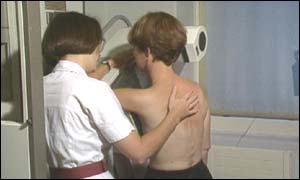 The BRCA2 gene is linked to cancer Scientists have discovered how one of the key genes associated with breast cancer works. They believe the breakthrough could help in the development of new drugs to fight the disease. Researchers at the University of Cambridge have found that the BRCA2 gene plays a key role in repairing DNA.
A mutated BRCA2 gene has been linked to breast cancer. However, it is also associated with an increased risk of ovarian and prostate cancer. Repairing faults Professor Ashok Venkitaraman and colleagues at the Hutchison Medical Research Council Centre in Cambridge, working with Dr. Luca Pellegrini and Professor Tom Blundell at the Cambridge University Department of Biochemistry, discovered that the BRCA2 gene controls a key molecule called Rad51. This molecule is involved in repairing DNA and keeps the genes in a cell intact. In a healthy BRCA2 gene, molecules from the gene attach themselves to Rad51 like Velcro strips. The researchers believe that this process enables the BRCA2 to direct the Rad51 molecules to cells in need of repair. However, when it is mutated it is unable to do this, leaving cells at risk of becoming potentially cancerous. Professor Venkitaraman said the discovery could help scientists to develop drugs to stop this from happening. "When the BRCA2 gene is faulty, a cell's genetic information becomes increasingly unstable, making it more likely that cancer will develop," he said. "Understanding the nuts and bolts of BRCA2's function should in the future allow us to develop new types of anti-cancer drug - although progress in this direction will take more time and continued effort." Sir Paul Nurse, chief executive of Cancer Research UK, hailed the findings. "By focusing on the fine detail of the cancer-causing process, this study has given us an exciting leap forward in our understanding of the disease on a molecular level. "The work is not just an important advance scientifically, but should also have a real impact on the future development of cancer treatments." The study, which was funded by Cancer Research UK and the Wellcome Trust, is published in the journal Nature. | | See also:  06 Nov 02 | Health 19 Sep 02 | Health 29 Sep 01 | Health Internet links: The BBC is not responsible for the content of external internet sites Top Health stories now: Links to more Health stories are at the foot of the page. | ||||||||||||||||||||||||||||||||||||||||||||||||||||||||||||||||||||||||||||||||||||||||||||||||||||||||||||||||||||||||||||||||||||||||
| |
|  E-mail this story to a friend E-mail this story to a friend |
| |
| Links to more Health stories |
| | | ||
 | ||||
 | | Back to top
| ||
| ---------------------------------------------------------------------------------- To BBC Sport>> | To BBC Weather>> | To BBC World Service>> ---------------------------------------------------------------------------------- © MMIII | News Sources | Privacy |





