
|
 |
 | | | | | | ||||||||||||||||||||||||||||||||||||||||||||||||||||||||||||||||||||||||||||||||||||||||||||||||||||||||||||||||||||||||||||||||||||||||
| | | You are in: Health | ||||||||||||||||||||||||||||||||||||||||||||||||||||||||||||||||||||||||||||||||||||||||||||||||||||||||||||||||||||||||||||||||||||||||||
|
| | Wednesday, 20 November, 2002, 00:28 GMT Cream for skin cancer 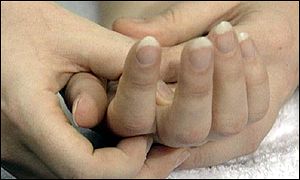 Exposed parts of the body are vulnerable to skin cancer A simple cream could eventually replace the surgeon's scalpel as an effective mass treatment for the most common type of skin cancer. A clinical trial funded by Cancer Research UK will investigate the effectiveness of imiquimod cream on basal cell carcinoma (BCC) - the most common form of non-melanoma skin cancer.
The cream was originally used as a treatment for genital warts. It works by boosting the defence mechanisms that the body uses to fight a tumour. At present, surgery is the best method of removing BCCs and is likely to remain the most reliable treatment for more advanced cases. However, researchers hope that the cream may become an effective way of dealing with straightforward cases of the disease. Research Dr Fiona Bath said: "We hope imiquimod will offer patients a simple alternative to surgery. "One of the main advantages of the cream is that it would provide a better cosmetic result than surgery as there will be no scarring." Common cancer Skin cancer is the most common form of cancer in the UK. There are around 60,000 non-melanoma skin cancer cases reported every year - although the true figure could be closer to 100,000. The discrepancy in number of cases is due to many cancer registries in the UK not registering BCCs or doctors not reporting them. Lead researcher Professor Hywel Williams said: "Home application means the patient saves repeated trips to a cancer centre, it avoids a surgical procedure and the frustration of sitting on a waiting list. "An added benefit is that it could save the NHS money and free up dermatologists to tackle more difficult BCCs." Effective in trials In the US and Australia incidence of BCC has doubled approximately every 14 years. Small scale imiquimod trials in these two countries have shown between 73% and a 100% clear up rate for the cream when applied at least once daily. The three-centre trial will be coordinated from the Centre of Evidence-Based Dermatology, Queen's Medical Centre, University of Nottingham. Basal cell skin cancer develops from cells in the deepest layer of the epidermis. It develops mostly in areas exposed to the sun. If BCC is left untreated, it can develop into a rodent ulcer. This is a deep ulcer in the skin that can spread - eating away body tissues that surround it. However advanced rodent ulcers are rare in the UK. | | See also:  26 Aug 02 | Health 06 Aug 02 | Health 10 Jun 02 | Health 06 Feb 02 | Health 17 Mar 00 | C-D Internet links: The BBC is not responsible for the content of external internet sites Top Health stories now: Links to more Health stories are at the foot of the page. | ||||||||||||||||||||||||||||||||||||||||||||||||||||||||||||||||||||||||||||||||||||||||||||||||||||||||||||||||||||||||||||||||||||||||
| |
|  E-mail this story to a friend E-mail this story to a friend |
| |
| Links to more Health stories |
| | | ||
 | ||||
 | | Back to top
| ||
| ---------------------------------------------------------------------------------- To BBC Sport>> | To BBC Weather>> | To BBC World Service>> ---------------------------------------------------------------------------------- © MMIII | News Sources | Privacy |





