
|
 |
 | | | | | | ||||||||||||||||||||||||||||||||||||||||||||||||||||||||||||||||||||||||||||||||||||||||||||||||||||||||||||||||||||||||||||||||||||||||||||||||||||||||||||||||||||||||
| | | You are in: Health | ||||||||||||||||||||||||||||||||||||||||||||||||||||||||||||||||||||||||||||||||||||||||||||||||||||||||||||||||||||||||||||||||||||||||||||||||||||||||||||||||||||||||||
|
| | Tuesday, 19 November, 2002, 09:31 GMT Heart units 'too slow with vital drugs' 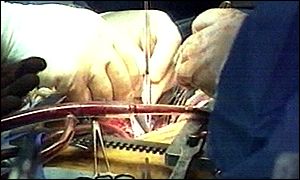 Hospital performance has been measured More than two out of three hospitals in England which treat heart attacks are failing to meet one of the government's key targets, research suggests. The government target for April this year was for three-quarters of suitable patients to have clotbusters within 30 minutes of arriving at hospital. Any unnecessary delay can be fatal.
However, this is still a big improvement on two years ago, and emerging data for July to September suggests the situation is improving still further. The RCP has carried out a detailed audit of how hospitals are measuring up to goverment targets in dealing with heart attacks. It is planned that a similar exercise will be carried out annually from now on. Preventative drugs As well as looking at the use of clot-busting drugs, the RCP also focused on three other drugs - aspirin, beta-blockers and statins - which are used to prevent further heart attacks. They found that hospitals were more successful in meeting targets on the use of these drugs which stipulate that they should be prescribed for between 80% and 90% of patients discharged from hospital following a heart attack. The data, which covers the first six months of the year, covers 206 out of the 215 units in England that carry out heart surgery. Nine units failed to present any data. Just 32 units achieved the target in the use of all four drugs. However, others may also have done so - 27 units did not submit enough data to be fully assessed. Broomfield Hospital in Chelmsford, Essex, was the only one which submitted full data, and failed to meet any of the four targets. However, the hospital claimed this was simply due to a clerical error which meant the RCP was provided with inaccurate information. Good practice Northwick Park Hospital in London is one of those that has met the target for clotbusting drugs. Dr Mark Dancy said the hospital had put measures in place to ensure patients got quick treatment. He said: "One of the principal chances made here was to start giving clotbusting drugs in the A&E department much closer to where the patient was when he arrived. That cut down times quite considerably." They also have ambulance staff monitoring patients, and warning the hospital if a heart attack patient is about to arrive. A Department of Health spokesperson said that up-to-the-minute figures showed up to 73% of eligible patients were now receiving clotbusting drugs within the required time, and that increasing numbers were receiving treatment within 20 minutes. This represented a huge improvement in the last two years. Dr Roger Boyle, the national clinical director fo heart disease, also said the figures were encouraging. He said: "It shows progressive and significant improvement in how NHS patients with heart attacks are being treated." The government published the National Service Framework for Coronary Heart Disease in March 2000. It sets out a 10-year programme of targets to improve services. | |
See also:  06 Nov 02 | Health 05 Jul 02 | Health 04 Jul 02 | Health Internet links: The BBC is not responsible for the content of external internet sites Top Health stories now: Links to more Health stories are at the foot of the page. | ||||||||||||||||||||||||||||||||||||||||||||||||||||||||||||||||||||||||||||||||||||||||||||||||||||||||||||||||||||||||||||||||||||||||||||||||||||||||||||||||||||||||
| |
|  E-mail this story to a friend E-mail this story to a friend |
| |
| Links to more Health stories |
| | | ||
 | ||||
 | | Back to top
| ||
| ---------------------------------------------------------------------------------- To BBC Sport>> | To BBC Weather>> | To BBC World Service>> ---------------------------------------------------------------------------------- © MMIII | News Sources | Privacy |






