
|
 |
 | | | | | | ||||||||||||||||||||||||||||||||||||||||||||||||||||||||||||||||||||||||||||||||||||||||||||||||||||||||||||||||||||||||||||||||||||||||||
| | | You are in: Health | ||||||||||||||||||||||||||||||||||||||||||||||||||||||||||||||||||||||||||||||||||||||||||||||||||||||||||||||||||||||||||||||||||||||||||||
|
| | Monday, 18 November, 2002, 00:01 GMT Action urged on Asian heart disease 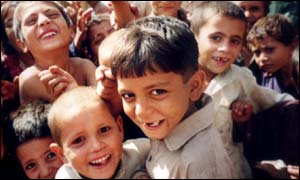 Asians have higher risks from birth South Asians are 50% more likely to die from heart disease than people living anywhere else in the world. Doctors say a genetic predisposition is to blame for the high rates. But they also believe that environmental factors, such as obesity and a lack of exercise, are also taking their toll.
Dr Sandeep Gupta, a heart specialist at Whipps Cross Hospital in east London, said the risks also apply to people who have emigrated from south Asia and their offspring. "People who originate from the south Asian population - from India, Bangladesh, Pakistan and to a lesser degree Sri Lanka - have some of the highest rates of death from coronary heart disease compared to any other population in the world. "In the UK, both men and women from the south Asian community have a 50% higher risk of dying from heart disease compared to the white European population. "We also know that wherever people from the Indian sub-continent emigrate to - whether it's Fiji or Singapore or North America - rates of heart disease are still higher compared to the indigenous population." Risks well known Dr Gupta said that while the risks have been known since the 1950s little has been done to reduce the health risks. "Unfortunately not much has been done about it." He said scientists believed genes were to blame. "In the south Asian population, from the moment they are born they have excess risk," Dr Gupta said. "It suggests there is a genetic predisposition." Dr Gupta added that the stress associated with emigration may also be a factor for those who leave south Asia.
People from south Asia with heart disease develop the condition 10 years earlier than those living elsewhere. "It's just more rampant," Dr Gupta said. Medical bills Dr Shuvo Dutta, a heart surgeon in eastern India, said improvements in medical care were helping some patients. However, not everyone can afford the treatment. "We get a lot of referrals from all over north east India. All of our patients have really severe problems but because of the expense not all can have treatment," he said. However, the introduction of private medical insurance is helping some people to receive the care they need. "Insurance is now available which was not there before and most of the patients who come to us are usually working in industries covered by insurance," Dr Dutta said. "The rest are the middle class or rich who can afford from their own pockets." There is limited care available for those who are too poor to pay. Dr Dutta said his patients with heart disease were much younger than those in the West. "In India unlike the West where most of the patients are elderly, ischemic heart disease patients are in the age group of 35 to 45 or 50 at the most. "That is a very young population at risk of heart attack." This story is featured in the radio programme Health Matters on the BBC World Service. Click here for listening times | | See also:  21 Jul 00 | Health 13 Jun 00 | Health 02 Jun 00 | Health Internet links: The BBC is not responsible for the content of external internet sites Top Health stories now: Links to more Health stories are at the foot of the page. | ||||||||||||||||||||||||||||||||||||||||||||||||||||||||||||||||||||||||||||||||||||||||||||||||||||||||||||||||||||||||||||||||||||||||||
| |
|  E-mail this story to a friend E-mail this story to a friend |
| |
| Links to more Health stories |
| | | ||
 | ||||
 | | Back to top
| ||
| ---------------------------------------------------------------------------------- To BBC Sport>> | To BBC Weather>> | To BBC World Service>> ---------------------------------------------------------------------------------- © MMIII | News Sources | Privacy |





