
|
 |
 | | | | | | ||||||||||||||||||||||||||||||||||||||||||||||||||||||||||||||||||||||||||||||||||||||||||||||||||||||||||||||||||||||||||||||||||||||||
| | | You are in: Health | ||||||||||||||||||||||||||||||||||||||||||||||||||||||||||||||||||||||||||||||||||||||||||||||||||||||||||||||||||||||||||||||||||||||||||
|
| | Tuesday, 12 November, 2002, 11:01 GMT e-Science boost to breast screening 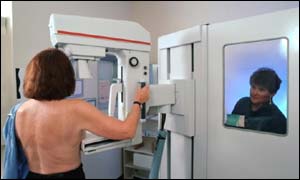 An archive of breast scans could help in diagnosis Breast screening centres in the UK are cooperating on a new project which they say could improve cancer diagnosis. It involves using a successor to the internet, known as the Grid, to share mammogram images and other patient information. Grid technology is seen as the successor to the world wide web. It gives easy access to data processing power by linking vast numbers of computers together.
They say it will allow scientists to manipulate vast amounts of information such as that contained in the human genome or in particle physics experiments. 'Extraordinary project' In one of the first applications of the new technology, breast screening centres in London, Oxford, Glasgow and Edinburgh are sharing computer resources in a project known as e-Diamond. Mammograms will be digitised, as well as stored on film, making them easily accessible to staff in all four hospitals. The goal is to have a giant shared data base of images and patient information that will help doctors make better decisions about the images and the cases they are studying. "e-Diamond is an extraordinary project," said Dr Ruth English, a radiologist at the John Radcliffe Hospital in Oxford, which is participating in the scheme. "It will give us access to a data base of literally millions of mammograms against which we could compare currently difficult cases." The project relies on software that makes it possible to standardise mammogram images taken with different machines so that they can be easily compared. It also represents an entirely new type of scientific collaboration, called e-Science. Computer grid Professor Malcolm Atkinson, head of the national e-Science centre based in Edinburgh, believes this will have a profound effect on research in the future. "We more or less have to change the way we do science," he told the BBC. "Our technology has become very good at collecting information but there's so much of it that humans can't look at it any more. So we are using computers to help us discover the interesting pieces of information from very large amounts of data." Grid software allows data stored in different computers around the world to behave like a single vast data base, known as a data grid. Another type of grid, a computer grid, will eventually allow computer power to be shared around the world. | | See also:  06 Nov 02 | Health 14 Oct 02 | Health 17 Oct 02 | Health 19 Sep 02 | Health 29 Sep 01 | Health Internet links: The BBC is not responsible for the content of external internet sites Top Health stories now: Links to more Health stories are at the foot of the page. | ||||||||||||||||||||||||||||||||||||||||||||||||||||||||||||||||||||||||||||||||||||||||||||||||||||||||||||||||||||||||||||||||||||||||
| |
|  E-mail this story to a friend E-mail this story to a friend |
| |
| Links to more Health stories |
| | | ||
 | ||||
 | | Back to top
| ||
| ---------------------------------------------------------------------------------- To BBC Sport>> | To BBC Weather>> | To BBC World Service>> ---------------------------------------------------------------------------------- © MMIII | News Sources | Privacy |





