
|
 |
 | | | | | | ||||||||||||||||||||||||||||||||||||||||||||||||||||||||||||||||||||||||||||||||||||||||||||||||||||||||||||||||||||||||||||||||||||||||
| | | You are in: Health | ||||||||||||||||||||||||||||||||||||||||||||||||||||||||||||||||||||||||||||||||||||||||||||||||||||||||||||||||||||||||||||||||||||||||||
|
| | Saturday, 9 November, 2002, 01:21 GMT Mothers 'get Alzheimers boost' 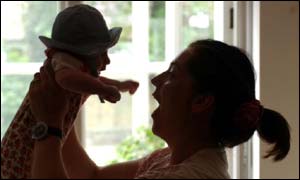 Motherhood may trigger changes in the brain Having children makes women more clever and protects against dementia later in life, a study suggests. Researchers in the United States believe motherhood triggers positive changes in the brain.
Subsequent tests also revealed that their brains had changed and may reduce their chances of developing diseases like Alzheimer's. Professor Craig Kinsley, of the University of Richmond in Virginia, said his findings would probably apply to humans too. Laboratory tests His team carried out their research on three different groups of female rats - the first had never given birth, the second had one litter of pups and the third had two litters. They assessed the intelligence of each group by seeing if they could find food inside and outside a maze. This test was repeated a number of times over the course of two years. They discovered that rats which had had two litters found food more easily. "Females who had two reproductive experiences were able to learn and remember the maze better than females with one or zero," Professor Kinsley said. "Females with zero were not able to do the maze as well as females with one (pregnancy)." The researchers later examined the rats' brains and in particular the hippocampus - the region of the brain associated with learning and memory. They found that rats with several pregnancies had lower levels of a protein called amyloid precursor. This protein has been linked to the development of Alzheimer's in humans. Further study Professor Kinsley said further tests were needed to see if the findings applied to humans. But speaking at the Society of Neuroscience annual meeting in Orlando Florida, Professor Kinsley said he suspected these proteins may be even higher in women who have had children. He added that the effects may also be seen in grandmothers, who sometimes play a role in raising grandchildren. "It's rat data but humans are mammals just like these animals are mammals," he told Reuters. "They go through pregnancy and hormonal changes." Professor Kinsley said he became interested in this area of research after his wife had a baby. "Watching her and how her behaviour became more efficient during this time got me thinking about the links between maternal behaviour and maternal efficiency," he said. "Nature seems to provide the mother with a boost to enable her to care, long term, for the most important and costly genetic and metabolic investment she will ever make - her offspring." Dr Matthew Brett, of the MRC Cognition and Brain Sciences Unit in Cambridge. said there had only been limited research into the long-term effects of motherhood in humans. He told BBC News Online: "There is speculation that there may be long-term effects but there has really been very little research in humans." | | See also:  06 Nov 02 | Health 02 Apr 02 | Health 25 Sep 02 | England Internet links: The BBC is not responsible for the content of external internet sites Top Health stories now: Links to more Health stories are at the foot of the page. | ||||||||||||||||||||||||||||||||||||||||||||||||||||||||||||||||||||||||||||||||||||||||||||||||||||||||||||||||||||||||||||||||||||||||
| |
|  E-mail this story to a friend E-mail this story to a friend |
| |
| Links to more Health stories |
| | | ||
 | ||||
 | | Back to top
| ||
| ---------------------------------------------------------------------------------- To BBC Sport>> | To BBC Weather>> | To BBC World Service>> ---------------------------------------------------------------------------------- © MMIII | News Sources | Privacy |





