
|
 |
 | | | | | | ||||||||||||||||||||||||||||||||||||||||||||||||||||||||||||||||||||||||||||||||||||||||||||||||||||||||||||||||||||||||||||||||||||||||
| | | You are in: Health | ||||||||||||||||||||||||||||||||||||||||||||||||||||||||||||||||||||||||||||||||||||||||||||||||||||||||||||||||||||||||||||||||||||||||||
|
| | Friday, 8 November, 2002, 09:25 GMT Public appointed to drugs body 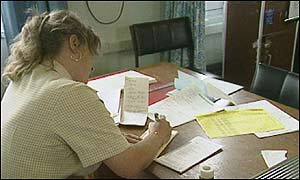 The council will be made up of 30 people The body that advises on which treatments should be made available on the NHS has recruited 30 members of the public to take part in its deliberations. The National Institute for Clinical Excellence (NICE) was established by the government to help end postcode prescribing in the NHS. Its role is to scrutinise new drugs and treatments, and to decide which ones should be made widely available on the NHS. The rulings are supposed to be based on both cost and clinical effectiveness.
However, some of NICE's decisions have prompted widespread concern - in particular, its refusal to make beta interferon available to multiple sclerosis patients. In July 2002, the influential Commons health committee called for NICE's decision making process to be made more transparent and fairer. In an attempt to ensure that public opinion is taken more fully on board, NICE has set up a 30-person Citizens Council to join in the assessment process. The 30 people selected include 15 men and 15 women from across England and Wales. They range in age from 18 to 76, and include disabled people and representatives from the ethnic minorities. They include a taxi driver, an electrician, a milliner, a retired former pilot, a housewife and a teacher. New voice Professor Sir Michael Rawlins, NICE chairman, said: "We have the best technical experts we can find to give us advice and we make sure that NHS professionals and patients have their say in our work. "The Citizens Council will add the voice of the public." Among the new appointees is Trevor Davison, a supervisor scaffolder from Lincoln. He said: "The Citizens Council is a fantastic idea, and long overdue. "The opinions of ordinary people, without a political agenda or expert knowledge of the NHS can make a real and significant difference to the way the experts see the needs and expectations of everyone." His fellow appointee Auriol Britton, an unemployed aspiring writer from Bristol, said: "It is great that ordinary members of the public are being give a chance to influence the way decisions are made in the NHS and I hope I will be able to give opinions that reflect the public view." The council's first meeting will be for three days from Thursday November 21 in Salford, Greater Manchester, but the topic has not yet been revealed. Around 4,400 people applied to join the council and the recruitment was managed by independent company Vision 21. Citizens Council project manager Ela Pathak-Sen said: "Unfortunately with just 30 places on the council and a small list of reserves, it has meant that we were unable to accept many strong candidates and I would like to publicly thank them for their interest." The council will meet twice a year and each meeting will last for up to three days. Councillors are paid �150 per day when on council business plus travel and accommodation expenses. | | See also:  19 Aug 02 | Health 03 Jul 02 | Health 05 Dec 01 | Health 14 Oct 02 | Health Internet links: The BBC is not responsible for the content of external internet sites Top Health stories now: Links to more Health stories are at the foot of the page. | ||||||||||||||||||||||||||||||||||||||||||||||||||||||||||||||||||||||||||||||||||||||||||||||||||||||||||||||||||||||||||||||||||||||||
| |
|  E-mail this story to a friend E-mail this story to a friend |
| |
| Links to more Health stories |
| | | ||
 | ||||
 | | Back to top
| ||
| ---------------------------------------------------------------------------------- To BBC Sport>> | To BBC Weather>> | To BBC World Service>> ---------------------------------------------------------------------------------- © MMIII | News Sources | Privacy |





