
|
 |
 | | | | | | ||||||||||||||||||||||||||||||||||||||||||||||||||||||||||||||||||||||||||||||||||||||||||||||||||||||||||||||||||||||||||||||||||||||||
| | | You are in: Health | ||||||||||||||||||||||||||||||||||||||||||||||||||||||||||||||||||||||||||||||||||||||||||||||||||||||||||||||||||||||||||||||||||||||||||
|
| | Sunday, 3 November, 2002, 00:01 GMT Hormone help for premature babies 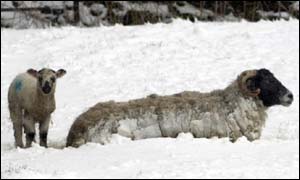 The theory is based on tests on lambs. Scientists believe they may have found a way to cut the amount of time premature babies spend in intensive care. Many infants who are born early spend their first days or weeks in incubators to help control their body temperature. But researchers in the UK believe that giving babies prolactin - a hormone found naturally in the body - could help many to be discharged sooner.
An estimated one in five newborn lambs die as a direct result of the extreme changes in temperature at birth - from 40 degrees Celsius in the womb to 10 degrees or lower on a cold spring day. To tackle this problem Dr Michael Symonds and colleagues at the University of Nottingham gave prolactin to a group of one-day-old lambs. Prolactin levels usually peak in lambs at birth and then drop. The hormone plays a key role in helping the body to generate heat. It acts on brown fat in the body, which is up to 300 times more effective at producing heat than normal tissue. Within one hour of receiving the treatment, the lambs' body temperature had increased. Dr Symonds said the result could help to dramatically improve lamb survival rates after birth. "This study is unique as it is the first time prolactin has been shown to have a positive effect on heat production," he said. Intensive care "It is essential that lambs produce heat when born if they are to survive and this work opens the possibility of developing treatment to increase the survival rate of lambs." But Dr Symonds also suggested the hormone could also play a role in helping premature babies. "Obviously, there needs to be further studies before applying this to humans." But he added: "If we found similar treatment enabled the pre-term infant to use its own heat-producing mechanisms it could be used to complement present treatments. "This may help the baby and act to reduce the amount of time needed for specialist intensive care, thus reducing the costs to the NHS of maintaining pre-term infants." The findings were presented at the Society for Endocrinology annual meeting in London. | | See also:  06 Jan 00 | Science/Nature 01 Oct 02 | Health 18 Jul 02 | Health Internet links: The BBC is not responsible for the content of external internet sites Top Health stories now: Links to more Health stories are at the foot of the page. | ||||||||||||||||||||||||||||||||||||||||||||||||||||||||||||||||||||||||||||||||||||||||||||||||||||||||||||||||||||||||||||||||||||||||
| |
|  E-mail this story to a friend E-mail this story to a friend |
| |
| Links to more Health stories |
| | | ||
 | ||||
 | | Back to top
| ||
| ---------------------------------------------------------------------------------- To BBC Sport>> | To BBC Weather>> | To BBC World Service>> ---------------------------------------------------------------------------------- © MMIII | News Sources | Privacy |





