
|
 |
 | | | | | | ||||||||||||||||||||||||||||||||||||||||||||||||||||||||||||||||||||||||||||||||||||||||||||||||||||||||||||||||||||||||||||||||||||||||
| | | You are in: Health | ||||||||||||||||||||||||||||||||||||||||||||||||||||||||||||||||||||||||||||||||||||||||||||||||||||||||||||||||||||||||||||||||||||||||||
|
| | Wednesday, 30 October, 2002, 00:31 GMT Thalidomide drugs attack cancer 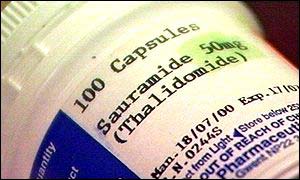 Thalidomide shows potential as a cancer treatment New drugs based on Thalidomide are showing great promise as potent anti-cancer medications. Thalidomide itself is already showing promise, in combination with chemotherapy, for treating some forms of cancer.
The new drugs seem to work in three ways. They reduce inflammation, stimulate the immune system to attack cancer, and reduce blood flow to the tumour. Thalidomide gained notoriety in the 1960s when doctors discovered that it caused birth defects by limiting the development of new blood vessels to growing limbs. But experts believe that this property of limiting blood flow can be harnessed to treat cancer by starving a tumour of its blood supply. Without a supply of blood a tumour cannot continue to grow. Alternative versions The researchers looked at two different versions of the drug called IMiDs and SelCIDs and found that they were at least 10 times as potent at preventing the growth of blood vessels than Thalidomide. The research, carried out at St George's Hospital Medical School in London, also shows that these drugs can stimulate the immune system, enhancing the body's natural anti-cancer defences or help reduce cancer-causing inflammation. Researcher Dr Keith Dredge said: "This group of Thalidomide-like drugs seems to have very complex and yet very exciting properties." The body's immune system has the potential to recognise cancer cells at a very early stage. A type of blood cell, called killer T cells, can then destroy the cancer cells before a tumour develops. Unfortunately the immune system is not always powerful enough to do the job. Dr Dredge said: "These new drugs have the potential to stimulate the immune system which could help prevent cancer. "Conversely, inflammation, which also occurs naturally in the body, may contribute to the development of cancer and our research shows that Thalidomide-like drugs can reduce inflammation." Two forms of ImiD are already being used in early clinical trials for treating advanced cancer, one at St George's and another at Guy's Hospital, also in London. The research is published in the British Journal of Cancer. | | See also:  30 Oct 02 | Health 08 Aug 01 | Health 25 Jan 01 | Health 18 Nov 99 | Health 11 Aug 00 | Health Internet links: The BBC is not responsible for the content of external internet sites Top Health stories now: Links to more Health stories are at the foot of the page. | ||||||||||||||||||||||||||||||||||||||||||||||||||||||||||||||||||||||||||||||||||||||||||||||||||||||||||||||||||||||||||||||||||||||||
| |
|  E-mail this story to a friend E-mail this story to a friend |
| |
| Links to more Health stories |
| | | ||
 | ||||
 | | Back to top
| ||
| ---------------------------------------------------------------------------------- To BBC Sport>> | To BBC Weather>> | To BBC World Service>> ---------------------------------------------------------------------------------- © MMIII | News Sources | Privacy |





