
|
 |
 | | | | | | ||||||||||||||||||||||||||||||||||||||||||||||||||||||||||||||||||||||||||||||||||||||||||||||||||||||||||||||||||||||||||||||||||||||||||
| | | You are in: Health | ||||||||||||||||||||||||||||||||||||||||||||||||||||||||||||||||||||||||||||||||||||||||||||||||||||||||||||||||||||||||||||||||||||||||||||
|
| | Friday, 18 October, 2002, 14:03 GMT 15:03 UK 'Lessons not learnt' from NHS inquiries 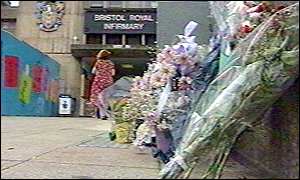 The Bristol Inquiry echoed findings of 30 years before Official inquiries into NHS scandals often come up with the same findings, suggesting few lessons are learnt, researchers have found. They found that the findings of a report into the care of vulnerable patients in Ely Hospital, Cardiff in 1967 "eerily paralleled" the findings of the inquiry into the deaths of babies at Bristol Royal Infirmary over 30 years later. This say reports often produce similar findings even if they looked at failures in the quality of care which do not apparently have much in common. The failures they identify are often organisational and cultural, and the researchers say the changes that are needed are not likely to happen just because they are prescribed in a report. Spotlight on doctors The team from the University of Manchester said it is common for inquiries to be set up when things go wrong in the NHS.
As in other sectors, the number of inquiries are growing in both number and scope, they found. In the last three years there have been five major inquiries into Ashworth special hospital, organ retention at Alder Hey Children's Hospital, gynaecologist Rodney Ledward, paediatric cardiac care at Bristol Royal Infirmary and the murders of the GP Harold Shipman. In addition, inquiries are more likely to be open and formal, rather than being dealt with internally or in private. And they said there was no guarantee each would apply the same standards of rigour as there are no guidelines as to how to run an inquiry, thought the Cabinet Office and Department of Health both issue advice. The performance of doctors and other health professionals is also more likely to come under the spotlight. 'Gold standard' Writing in the British Medical Journal, the team led by Kieran Walshe, said: "Considerable duplication seems to exist between inquiries, and many events are the subject of more than one form of inquiry by different authorities." The report highlights the creation of the Commission for Health Improvement (CHI) which carries out investigations into NHS scandals. Health professionals are also to be more tightly regulated, and new agencies taking responsibility for patient safety have been established.
But he added: "It may be more appropriate to think of them as a last resort to which we turn only when other models of inquiry have failed or are unlikely to be successful." He added: "Public inquiries should be used rarely, not simply because they are costly, but also because they are slow and unwieldy mechanisms for investigation. "The increasing demand for public inquiries probably reflects a lack of public confidence in the alternative methods of inquiry and in the quality of care that the NHS provides. "The demand for public inquiries in the NHS would probably reduce if credible alternative mechanisms for inquiry were available and if general levels of public confidence in the NHS were higher." Individual cases A spokesman for the Department of Health told BBC News Online: "We recognise that inquiry recommendations have not always been implemented in the past. "The Department of Health is committed to stronger monitoring of inquiry recommendations in the future. "For example, it published its response to the Bristol Royal Infirmary inquiry in January this year and arrangements are in place to track the implementation of recommendations. "We recognise that public inquiries are not always the best way to investigate serious service failures. "Each case is considered individually and there are a range of other appropriate mechanisms including statutory inquiries held in private and CHI special investigations. "It is important that the right form is used to establish what went wrong and to learn lessons for the future" | | See also:  20 Sep 02 | England 20 Jul 02 | Health 18 Jul 01 | Health 29 Jan 01 | Health 02 Jun 00 | Health Internet links: The BBC is not responsible for the content of external internet sites Top Health stories now: Links to more Health stories are at the foot of the page. | ||||||||||||||||||||||||||||||||||||||||||||||||||||||||||||||||||||||||||||||||||||||||||||||||||||||||||||||||||||||||||||||||||||||||||
| |
|  E-mail this story to a friend E-mail this story to a friend |
| |
| Links to more Health stories |
| | | ||
 | ||||
 | | Back to top
| ||
| ---------------------------------------------------------------------------------- To BBC Sport>> | To BBC Weather>> | To BBC World Service>> ---------------------------------------------------------------------------------- © MMIII | News Sources | Privacy |





