
|
 |
 | | | | | | ||||||||||||||||||||||||||||||||||||||||||||||||||||||||||||||||||||||||||||||||||||||||||||||||||||||||||||||||||||||||||||||||||||||||
| | | You are in: Health | ||||||||||||||||||||||||||||||||||||||||||||||||||||||||||||||||||||||||||||||||||||||||||||||||||||||||||||||||||||||||||||||||||||||||||
|
| | Thursday, 17 October, 2002, 14:05 GMT 15:05 UK BMA chief lashes government reform 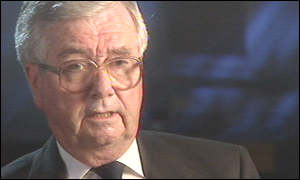 Dr Ian Bogle says doctors have less freedom Doctors are increasingly being demotivated by government initiatives that undermine their professional autonomy and ability to deliver patient care, says the BMA chairman. Dr Ian Bogle said government targets and red tape had created a healthcare system driven by spreadsheets and tickboxes instead of patient need.
Then, he worked longer hours, and had no out-of-hours cover. But he said: "My motivation and satisfaction came from the knowledge that I was able to use my expertise and judgment free from control or interference from outside the consulting room. "I felt free and safe to do what I thought was best for those in my care." Restrictions Dr Bogle, whose father and grandfather were also doctors, said by the time he left full-time practice two years ago things had changed. "My practice was restricted by prescribing guidelines, referral guidelines and the threat of litigation if I chose on occasion to trust my judgment, take a risk and act outside accepted protocols for the treatment of certain conditions. "My clinical freedom had been eroded to such a degree that I wasn't always able to get patients the care and treatment I knew they needed." He said workload pressures and patient demand were key causes of low morale among today's doctors. But, he added: "For me, the biggest demotivator has been the deprofessionalisation of medicine brought about by protocols, guidelines and government targets. "Managers and ministers have muscled in on the doctor-patient relationship, and we now have a healthcare system driven not by the needs of individual patients but by spreadsheets and tick boxes. "An NHS underpinned by production-line values is pushing doctors into becoming a bunch of technicians at the beck and call of ministers and managers, whose worth is measured in terms of output and nothing else." Target problems He said targets were set nationally without any understanding of what they would mean for individual doctors. "If you set targets for the treatment of one group, you automatically disadvantage others whose clinical need may in fact be greater," he warned. "If you set targets for access to services, you encourage those providing the services to give more thought to through-put of patients than to what is actually wrong with them." He said doctors' frustrations were only compounded further when NHS managers massaged figures to placate politicians. "The big danger for the health service, and for patients, is when doctors' frustration and antagonism turns to apathy - when they throw up their hands and say: `We have no real influence over the future care of our patients, so we just don't care any more'," he warned. "I fear that day isn't very far off." | | See also:  01 Jul 02 | BMA Conference 02 Jul 01 | BMA Conference 30 Jun 02 | BMA Conference Internet links: The BBC is not responsible for the content of external internet sites Top Health stories now: Links to more Health stories are at the foot of the page. | ||||||||||||||||||||||||||||||||||||||||||||||||||||||||||||||||||||||||||||||||||||||||||||||||||||||||||||||||||||||||||||||||||||||||
| |
|  E-mail this story to a friend E-mail this story to a friend |
| |
| Links to more Health stories |
| | | ||
 | ||||
 | | Back to top
| ||
| ---------------------------------------------------------------------------------- To BBC Sport>> | To BBC Weather>> | To BBC World Service>> ---------------------------------------------------------------------------------- © MMIII | News Sources | Privacy |





