
|
 |
 | | | | | | ||||||||||||||||||||||||||||||||||||||||||||||||||||||||||||||||||||||||||||||||||||||||||||||||||||||||||||||||||||||||||||||||||||||||||
| | | You are in: Health | ||||||||||||||||||||||||||||||||||||||||||||||||||||||||||||||||||||||||||||||||||||||||||||||||||||||||||||||||||||||||||||||||||||||||||||
|
| | Wednesday, 9 October, 2002, 13:44 GMT 14:44 UK Workforce suffers 'afternoon apathy' 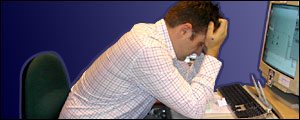 The syndrome is costing the British economy millions More than 12 million employees - 40% of the total UK workforce - are said to be suffering from "afternoon apathy". New research, released on Wednesday, shows that carbohydrate-loaded lunches are to blame for the slump, which is costing the British economy at least �3.9 billion a year. And it is affecting more women than men - disproving the popular myth that women are more diet-savvy than men.
A total of 1,000 randomly-selected adults were questioned by pollsters ICM on behalf of Ryvita and results showed that almost half chose to eat a starchy baked potato for lunch at least once a week while more than a third opted for a weekly burger or other form of fast food. Both meals lead to so-called "afternoon apathy syndrome". Nutritionist Fiona Hunter, who was involved in the research, said: "Rather than using their lunch hours to recharge and re-energise, most Britons are eating stodgy meals, leaving them lethargic in the afternoon. "Many people think that they are boosting their energy levels by eating high carbohydrate lunches when in fact they are creating the opposite effect." Counter-balance If all the workers affected by the syndrome suffered a drop in their efficiency of just 10% between 1500 BST and 1600 BST, it would cost the British economy �3.93m per year - based on the average UK wage. A total of 35% of men have complained of suffering from afternoon apathy compared to 53% of women.
Tora Hansen-Tangen, a nutritionist and tutor at the Institute For Optimum Nutrition, explained that foods high in carbohydrate such as potatoes, pasta and bread were also high in glucose, which raises the blood sugar level. This causes the body to release a large dose of insulin to try and counter-balance the effect. But that high insulin dose quickly falls back again, leaving the person feeling tired and craving more energy-laden foods. "It is like a yo-yo effect and no good at all," she said. "Carbohydrates are good, but not in isolation. "They need to be combined with proteins in order to provide a more level dose of energy throughout the day rather than peaks and troughs." | | See also:  13 Sep 02 | England 04 Sep 02 | Health 23 Jul 02 | Health Internet links: The BBC is not responsible for the content of external internet sites Top Health stories now: Links to more Health stories are at the foot of the page. | ||||||||||||||||||||||||||||||||||||||||||||||||||||||||||||||||||||||||||||||||||||||||||||||||||||||||||||||||||||||||||||||||||||||||||
| |
|  E-mail this story to a friend E-mail this story to a friend |
| |
| Links to more Health stories |
| | | ||
 | ||||
 | | Back to top
| ||
| ---------------------------------------------------------------------------------- To BBC Sport>> | To BBC Weather>> | To BBC World Service>> ---------------------------------------------------------------------------------- © MMIII | News Sources | Privacy |



