
|
 |
 | | | | | | ||||||||||||||||||||||||||||||||||||||||||||||||||||||||||||||||||||||||||||||||||||||||||||||||||||||||||||||||||||||||||||||||||||||||
| | | You are in: Health | ||||||||||||||||||||||||||||||||||||||||||||||||||||||||||||||||||||||||||||||||||||||||||||||||||||||||||||||||||||||||||||||||||||||||||
|
| | Sunday, 29 September, 2002, 00:39 GMT 01:39 UK Chronic arthritis patients get lifeline 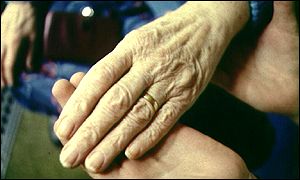 Anti-TNF drugs do not work for all patients Help could soon be at hand for arthritis patients who fail to respond to pioneering drugs. Identifying the patients early will save the NHS thousands and enable doctors to try and target new treatments for them. The drugs, known as anti-TNF therapy, were pioneered at the Arthritis Research Council's Kennedy Institute in West London, and have transformed the lives of some people with arthritis. They work by blocking the molecule responsible for causing the inflammation which leads to joint damage and destruction in rheumatoid arthritis. Treatments They are prescribed for the most serious rheumatoid arthritis cases, people who don't respond to other treatments. At the moment only 3,500 people are being prescribed the drugs, but it is estimated that a total of 15,000 rheumatoid arthritis patients could be eligible. But out of these 40% would fail to respond to the treatment.
And as anti-TNF therapy costs around �10,000 per patient a year it could save the NHS thousands if they could identify at an early stage which patients would be unsuitable. It would also ensure that doctors give those particular patients other sorts of treatment. Now medics are to research why the drugs work with some patients and not with others. Grant Dr Maya Buch, a specialist registrar at Leeds University's rheumatology and rehabilitation research unit, has been given a three year grant from the Arthritis Research Campaign, to look into the problems. "We can do this by analysing the tissue in the joint, looking for different proteins which cause the damage in rheumatoid arthritis. "Not only will we be able to identify patients who are likely to benefit from anti-TNF treatment as early as possible, but we can also target other specific proteins with new therapies for those who fail to respond," said Dr Buch. A spokeswoman for the Arthritis Research Campaign (ARC) said the research was vital. "Although anti-TNF is a fantastic drug therapy for those people who respond to it, it's important that we now find out why it doesn't work for everyone." | | See also:  25 Sep 02 | Health 21 Sep 02 | Health 24 Aug 02 | Health 18 Aug 02 | Health 22 Mar 02 | Health Internet links: The BBC is not responsible for the content of external internet sites Top Health stories now: Links to more Health stories are at the foot of the page. | ||||||||||||||||||||||||||||||||||||||||||||||||||||||||||||||||||||||||||||||||||||||||||||||||||||||||||||||||||||||||||||||||||||||||
| |
|  E-mail this story to a friend E-mail this story to a friend |
| |
| Links to more Health stories |
| | | ||
 | ||||
 | | Back to top
| ||
| ---------------------------------------------------------------------------------- To BBC Sport>> | To BBC Weather>> | To BBC World Service>> ---------------------------------------------------------------------------------- © MMIII | News Sources | Privacy |





