
|
 |
 | | | | | | ||||||||||||||||||||||||||||||||||||||||||||||||||||||||||||||||||||||||||||||||||||||||||||||||||||||||||||||||||||||||||||||||||||||
| | | You are in: Health | ||||||||||||||||||||||||||||||||||||||||||||||||||||||||||||||||||||||||||||||||||||||||||||||||||||||||||||||||||||||||||||||||||||||||
|
| | Tuesday, 17 September, 2002, 10:09 GMT 11:09 UK Childhood asthma starting to fall 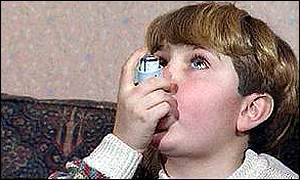 Many young people are asthmatic The number of children who suffer from asthma and other allergies may be starting to fall, research suggests. Lung specialists have recorded a steady increase in asthma and allergies among young people in recent years. The rise has been blamed on a number of factors, from house dust mites to air pollution. However, a new study, presented to a meeting of the European Respiratory Society in Stockholm, suggests the outlook may be improving. Researchers from the Institute of Social and Preventive Medicine of Basel University, Switzerland, monitored 2,161 adolescents with an average age of 14 over an eight-year period. They found that the upward trend in the number of cases appears to be being reversed. Encouraging signs There was no increase in asthma or hay fever levels between 1992 and 2000. And, more strikingly, a comparison of data from 2000 and 1997 shows that the prevalence of certain symptoms has declined. In 2000, 7.5% of patients experienced persistent asthma compared to 8.2% in 1997. The number suffering from occasional asthma symptoms also fell - from 1.2% in 1997 to 0.% in 2000. The number of people who appear to be sensitive to substances that can cause allergy also appears to be on the decline. In 2000, 21.6% were sensitive to indoor allergens, and 16.2% to outdoor allergens. In 1997, the figures were 25% and 29.8%. Researcher Dr Charlotte Braun-Fahrl�nder said: "We find the same result if we look at the trends separately for children with a family history of asthma and allergies and those without". Other studies presented at the same conference contradicted the findings of the Basel team - reporting rising levels of allergies and asthma, particularly in northern and eastern Europe. Erika von Mutius, a member of the ERS Pediatric Assembly, said: "Whether a certain plateau has been reached is matter for debate, but the Swiss group's study would suggest so." Dr Giovanni Viegi, head of the ERS assembly on occupation and epidemiology, told BBC News Online that an Italian study published last year had produced similar findings to the Swiss research. He said it was possible that people had modified their lifestyles to reduce exposure to risk factors such as tobacco smoke. A spokesperson for the UK National Asthma Campaign said: "The results of the study are interesting, but rates of asthma and atopy (allergy) do vary widely across countries. "What we need now is further research to see if this trend is reflected in the UK. Finding out the reasons for the decrease in asthma rates will also aid our understanding of the condition." | | See also:  11 Sep 01 | Health 07 Jul 00 | Health 11 Jul 00 | Health 22 Aug 00 | Health 15 Sep 00 | Health 04 Jan 01 | Health Internet links: The BBC is not responsible for the content of external internet sites Top Health stories now: Links to more Health stories are at the foot of the page. | ||||||||||||||||||||||||||||||||||||||||||||||||||||||||||||||||||||||||||||||||||||||||||||||||||||||||||||||||||||||||||||||||||||||
| |
|  E-mail this story to a friend E-mail this story to a friend |
| |
| Links to more Health stories |
| | | ||
 | ||||
 | | Back to top
| ||
| ---------------------------------------------------------------------------------- To BBC Sport>> | To BBC Weather>> | To BBC World Service>> ---------------------------------------------------------------------------------- © MMIII | News Sources | Privacy |



