
|
 |
 | | | | | | ||||||||||||||||||||||||||||||||||||||||||||||||||||||||||||||||||||||||||||||||||||||||||||||||||||||||||||||||||||||||||||||||||||||||||||||||||||||||||||||||||||||||
| | | You are in: Health | ||||||||||||||||||||||||||||||||||||||||||||||||||||||||||||||||||||||||||||||||||||||||||||||||||||||||||||||||||||||||||||||||||||||||||||||||||||||||||||||||||||||||||
|
| | Tuesday, 3 September, 2002, 10:26 GMT 11:26 UK Breast cancer trigger investigated 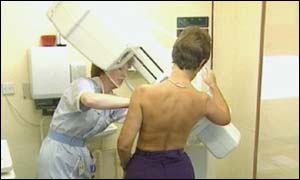 Some women at increased risk of breast cancer Scientists say they are a step closer to finding out exactly how a single gene can trigger breast cancer. Researchers at Queen's University Belfast believe that a fault in the BRCA1 gene can prevent the body's immune system from fighting cancer cells. A faulty BRCA1 gene has been previously identified as a possible cause of breast cancer.
Women with a faulty BRCA1 gene have between a 65% and an 85% chance of developing the disease at some point in their lives. They also have an increased risk of developing ovarian cancer. Dr Paul Harkin and colleagues at Queens used cutting-edge technology to look at thousands of genes at once to find out which ones are switched on under different circumstances. In this case, they compared normal cells with cells that had an overactive BRCA1 gene. Immune response They found that the gene interacts with a key part of the immune system, a chemical called interferon gamma. "This chemical acts as the eyes and ears of the immune system, scouring the body for diseased cells," said Heather Andrews, one of the researchers. "The immune system then forces these cells to self-destruct, preventing the growth of a tumour." The study found that when the gene was faulty the immune system was unable to attack cancer cells. However, by adding a healthy copy of the BRCA1 gene they were able to restore the surveillance system. Professor Patrick Johnston, director of the Cancer Research Centre at Queen�s University in Belfast, said: "These results are beginning to shed light on why some women have such a high risk of developing breast cancer. "We already know that a fault in BRCA1 can affect the body's ability to repair gene damage, but this alone may not be enough to explain such a high risk. "Now we can see that the faulty gene also impairs the body's ability to spot cells that are becoming cancerous. This combination of problems may explain the gene�s devastating effects." Step closer Sir Paul Nurse, Cancer Research UK chief executive, said: "In most cases breast cancer is caused by damage to genes which builds up over a lifetime, but a percentage of people are born with a high risk of the disease. "If we are going to help these people and know more about the disease, we need to understand why one faulty gene can make such a big difference. Dr Harkin and his team are bringing us closer to this aim." The study is published in the Journal of Biological Chemistry. | |
See also:  08 Feb 02 | Health 22 Apr 02 | Health 01 Oct 01 | Health Internet links: The BBC is not responsible for the content of external internet sites Top Health stories now: Links to more Health stories are at the foot of the page. | ||||||||||||||||||||||||||||||||||||||||||||||||||||||||||||||||||||||||||||||||||||||||||||||||||||||||||||||||||||||||||||||||||||||||||||||||||||||||||||||||||||||||
| |
|  E-mail this story to a friend E-mail this story to a friend |
| |
| Links to more Health stories |
| | | ||
 | ||||
 | | Back to top
| ||
| ---------------------------------------------------------------------------------- To BBC Sport>> | To BBC Weather>> | To BBC World Service>> ---------------------------------------------------------------------------------- © MMIII | News Sources | Privacy |






