
|
 |
 | | | | | | ||||||||||||||||||||||||||||||||||||||||||||||||||||||||||||||||||||||||||||||||||||||||||||||||||||||||||||||||||||||||||||||||||||||
| | | You are in: Health | ||||||||||||||||||||||||||||||||||||||||||||||||||||||||||||||||||||||||||||||||||||||||||||||||||||||||||||||||||||||||||||||||||||||||
|
| | Friday, 30 August, 2002, 00:11 GMT 01:11 UK Safety boost for third generation Pill 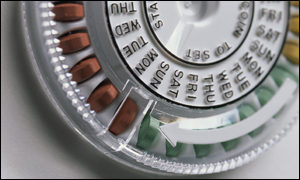 There has been controversy over the Pill The so-called "third generation" contraceptive pill does not increase the risk of young women having heart attacks, suggests new research. However, there remains a slightly increased risk of blood clots with the newest pills, according to scientists. Third generation Pills include Femodene, Femodette, Marvelon, Mercilon, Minulet, Triadene and Tri-Minulet. The latest research was published in the journal Human Reproduction, and involved looking at a number of different research projects into the heart risks of these drugs. The researchers, from McGill University in Canada, and the University of Surrey in Guildford, UK, concluded that the third generation pill may actually be safer than previous versions in this regard. Heart attacks are extremely rare in young women, but using the pill was thought to increase the risk. Early estimates suggested that 13 out of every 100,000 pill users might suffer a heart attack, compared to only 1.5 per 100,000 non-pill users. Low risk However, the latest study radically reduces this figure, suggesting little if any difference between pill users and non-pill users. In addition, third generation pills, which use a slightly different combination of sex hormones, appear to be safer than second generation pills in this respect. Professor Walter Spitzer, from McGill University, said: "Recent controversies about oral contraceptives, in particular third generation, have dwelt upon blood clots in the veins. "Less attention has been paid to the safety record of newer oral contraceptives in respect to the arteries." Individual choice However, he added: "Our conclusions should not be interpreted as recommendations against second generation pills or as a strong recommendation in favour of third generation pills. "The choice of an approved oral contraceptive should always be that of the counselling physician, based primarily on clinical judgement, one patient at a time." The High Court recently threw out a claim by 100 women who claimed that the third generation pill had caused them to suffer damaging blood clots. The latest research suggests that clot risks are approximately 1.7 times higher among people using the third generation pill - but the overall risk is still low. However, the scare which followed initial findings of this kind is thought to have caused a massive rise in the number of unwanted pregnancies, and abortions. | | See also:  19 Jul 01 | Health 29 Jul 02 | Latest News 03 Oct 01 | Briefing Internet links: The BBC is not responsible for the content of external internet sites Top Health stories now: Links to more Health stories are at the foot of the page. | ||||||||||||||||||||||||||||||||||||||||||||||||||||||||||||||||||||||||||||||||||||||||||||||||||||||||||||||||||||||||||||||||||||||
| |
|  E-mail this story to a friend E-mail this story to a friend |
| |
| Links to more Health stories |
| | | ||
 | ||||
 | | Back to top
| ||
| ---------------------------------------------------------------------------------- To BBC Sport>> | To BBC Weather>> | To BBC World Service>> ---------------------------------------------------------------------------------- © MMIII | News Sources | Privacy |



