
|
 |
 | | | | | | ||||||||||||||||||||||||||||||||||||||||||||||||||||||||||||||||||||||||||||||||||||||||||||||||||||||||||||||||||||||||||||||||||||||||
| | | You are in: Health | ||||||||||||||||||||||||||||||||||||||||||||||||||||||||||||||||||||||||||||||||||||||||||||||||||||||||||||||||||||||||||||||||||||||||||
|
| | Wednesday, 21 August, 2002, 23:02 GMT 00:02 UK Scientists hail 'long-lasting' lenses 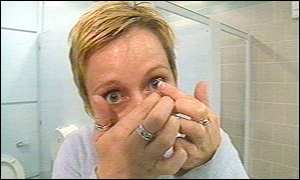 Contact lenses can gather harmful bacteria The hassle of taking out and cleaning contact lenses could soon be over for millions of people around the world, according to scientists. Researchers in the United States say they have found a way which could allow people to wear contact lenses for as long as two years without ever taking them out. They believe that coating lenses in selenium will kill bacteria and protect the eyes from becoming infected, without the need for regular cleaning.
But Dr Ted Reid and colleagues at Texas Tech University Health Sciences Center believe it can also be used to transform the lives of people who wear contact lenses. 'Easy to apply' Laboratory tests on rabbits have shown that wearing contact lenses which have been coated with a selenium solution has no adverse side effects. The rabbits wore the lenses for two months. Dr Reid said: "It's a natural mechanism we use in our body to kill bacteria. That is why we have had these contact lenses on rabbit eyes for two months and seen no effect whatsoever on the eye." The coating is just one molecule thick and is very safe. It does not interfere with the ability of the contact lenses to let in oxygen and has no impact on the prescription. In addition, the coating is easy to apply. "You just dip the contact lens into the solution, let it set for a few minutes and it's attached," said Dr Reid. His tests have shown that the coating can stay in place for at least two years. However, Dr Reid acknowledged that the research is in its very early stages and further study is needed. Warning But Professor Nathan Efron, director of the European Centre for Contact Lens Research at the University of Manchester Institute of Science and Technology, said he was sceptical about the findings. "Even if this works perfectly, there are a variety of reasons why people should not leave contact lenses in for more than 30 days. "The build up of environmental debris in lenses means they really should be disposed of regularly," he told BBC News Online. | | See also:  23 Apr 02 | Health 29 Jan 02 | Health 16 Jul 99 | Health Internet links: The BBC is not responsible for the content of external internet sites Top Health stories now: Links to more Health stories are at the foot of the page. | ||||||||||||||||||||||||||||||||||||||||||||||||||||||||||||||||||||||||||||||||||||||||||||||||||||||||||||||||||||||||||||||||||||||||
| |
|  E-mail this story to a friend E-mail this story to a friend |
| |
| Links to more Health stories |
| | | ||
 | ||||
 | | Back to top
| ||
| ---------------------------------------------------------------------------------- To BBC Sport>> | To BBC Weather>> | To BBC World Service>> ---------------------------------------------------------------------------------- © MMIII | News Sources | Privacy |





