
|
 |
 | | | | | | ||||||||||||||||||||||||||||||||||||||||||||||||||||||||||||||||||||||||||||||||||||||||||||||||||||||||||||||||||||||||||||||||||||||||||||||||||||||||||||||||||||||||
| | | You are in: Health | ||||||||||||||||||||||||||||||||||||||||||||||||||||||||||||||||||||||||||||||||||||||||||||||||||||||||||||||||||||||||||||||||||||||||||||||||||||||||||||||||||||||||||
|
| | Wednesday, 14 August, 2002, 23:41 GMT 00:41 UK Sharp rise in sexual diseases 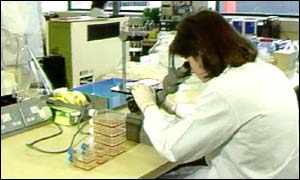 Doctors are testing more patients More and more people are being diagnosed with sexually transmitted infections (STIs), official figures reveal. Statistics from the Public Health Laboratory Service (PHLS) show a 6% rise in the number of STIs in England in 2001. However, there has been a much sharper rise in new cases of chlamydia and gonorrhoea while the number of people with syphilis has rocketed.
The figures show that chlamydia is the most common STI. A total of 67,403 cases were diagnosed in clinics across England last year, up 10% on the previous 12 months. If untreated, it can cause severe long-term problems including infertility in women. There was a similar increase for gonorrhoea, up 8%, with a total of 22,116 cases identified. But the number of people diagnosed with syphilis has more than doubled, up from 322 in 2000 to 697 last year. The increase has been traced back to an outbreak among gay men in London and north-west England. The figures also show an increase in the number of cases of genital herpes - up 6% to 17,056. In addition, there has been an increase in the number of new cases of genital warts up 2% with a total of 62,222 cases diagnosed. Cause for concern Dr Gwenda Hughes, of the PHLS, while the overall increase was lower than in previous years it was still a cause for concern. She said: "The rate of increase in STIs observed between 2000 and 2001 is somewhat lower than the previous year. "Nevertheless, their continued rise confirms deterioration in the nation's sexual health." She added: "Young women and gay men still remain the groups that cause the greatest concern in sexual health terms." Dr Hughes said some of the increases could be attributed to more people turning up at clinics for testing. But she added that many new infections were due "a direct consequence of increasing high-risk sexual behaviours". Public Health Minister Hazel Blears said the government was determined to cut infections. "We are committed to tackling the rising rates of all sexually transmitted infections," she said. Screening Ms Blears announced that �1.5m would be used to fund the first phase of chlamydia screening programme at 10 sites in England. They will offer testing in places where young people typically access services such as family planning clinics. The schemes will primarily target women between the ages of 16 and 24 but will also offer tests to men. The charity Terrence Higgins Trust called on ministers to do more to tackle the spread of STIs. Colin Dixon, its director of national services, said: "STI rates are reaching epidemic proportions in some areas, the health service is struggling to keep up, and yet sexual health is still not a government priority." He added: "It is time to take seriously the threat that the UK's worsening sexual health presents. By not tackling these issues now through targeted health promotion programmes for young people, we are simply storing up trouble for the future." | |
See also:  26 Feb 02 | Health 30 Nov 01 | Health 21 May 02 | Health Internet links: The BBC is not responsible for the content of external internet sites Top Health stories now: Links to more Health stories are at the foot of the page. | ||||||||||||||||||||||||||||||||||||||||||||||||||||||||||||||||||||||||||||||||||||||||||||||||||||||||||||||||||||||||||||||||||||||||||||||||||||||||||||||||||||||||
| |
|  E-mail this story to a friend E-mail this story to a friend |
| |
| Links to more Health stories |
| | | ||
 | ||||
 | | Back to top
| ||
| ---------------------------------------------------------------------------------- To BBC Sport>> | To BBC Weather>> | To BBC World Service>> ---------------------------------------------------------------------------------- © MMIII | News Sources | Privacy |






