
|
 |
 | | | | | | ||||||||||||||||||||||||||||||||||||||||||||||||||||||||||||||||||||||||||||||||||||||||||||||||||||||||||||||||||||||||||||||||||||||||||
| | | You are in: Health | ||||||||||||||||||||||||||||||||||||||||||||||||||||||||||||||||||||||||||||||||||||||||||||||||||||||||||||||||||||||||||||||||||||||||||||
|
| | Monday, 12 August, 2002, 12:06 GMT 13:06 UK U-turn over cancer drug decision 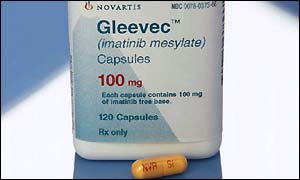 The drug is branded Gleevec in the US Thousands more leukaemia patients may get a new drug on the NHS after an assessment body changed its mind. The initial recommendation of the National Institute of Clinical Excellence (NICE) was to deny Glivec to all but a handful of patients with chronic myeloid leukaemia (CML). That provoked a storm of protest from patients and doctors - and NICE, after examining favourable results of another Glivec study, changed its mind.
It is already available in Scotland. If the government, as expected, backs the ruling, many more patients are likely to receive it. Three phases CML accounts for one in six leukaemia cases, and mostly stems from a chromosomal defect which hinders the production of white blood cells. There are a total of just over 2,600 people in the UK with the disease. Glivec is the first of a new class of anti-cancer drugs, and experts estimate that it will eventually cost the NHS �25m a year to fund its use. The original recommendation of the committee asked by NICE to look at Glivec was that only patients in what is called the "accelerated" phase should be given the drug.
This is a short phase, perhaps lasting between two and 15 months, in which signs of cancer increase more sharply as the condition gets worse after a long period of stability called the "chronic" phase. The majority of CML patients are in the chronic phase, which lasts between three and five years after diagnosis. Delight NICE's early recommendation also ruled out the drug for patients in the most serious phase of the disease, the "blast crisis" phase, where their condition is worsening rapidly. However, the final determination allows the drug for all three groups of patient, provided that other existing drugs such as interferon have been tried unsuccessfully before. The verdict has delighted cancer campaigners. Dr Richard Sullivan, from Cancer Research UK, said: "This is the day leukaemia patients have been waiting for. "There is clear and extensive data to support the widespread use and funding of Glivec in this country. "We owe it to cancer patients to ensure that breakthroughs in the labs are translated into improvements in survival and quality of life." The latest clinical studies suggest that Glivec is highly successful at reducing the number of defective blood cells. In chronic phase patients, 69% had what is termed a "complete response" to the drug. Transparent process A spokesman for NICE said that it was always possible for new evidence from scientific studies to influence the final outcome of its appraisal process. He said: "We have always been clear that this means the recommendations in the final appraisal determination may differ from the provisional recommendations. "As a result of the consultation and subsequent evidence the recommendations of the Committee were changed." | | See also:  12 Jun 02 | England 27 Nov 01 | Health 28 May 02 | Health Internet links: The BBC is not responsible for the content of external internet sites Top Health stories now: Links to more Health stories are at the foot of the page. | ||||||||||||||||||||||||||||||||||||||||||||||||||||||||||||||||||||||||||||||||||||||||||||||||||||||||||||||||||||||||||||||||||||||||||
| |
|  E-mail this story to a friend E-mail this story to a friend |
| |
| Links to more Health stories |
| | | ||
 | ||||
 | | Back to top
| ||
| ---------------------------------------------------------------------------------- To BBC Sport>> | To BBC Weather>> | To BBC World Service>> ---------------------------------------------------------------------------------- © MMIII | News Sources | Privacy |





