|
 |
 | | | | | | |||||||||||||||||||||||||||||||||||||||||||||||||||||||||||||||||||||||||||||||||||||||||||||||||||||||||||||||||||||||||||||||||||||||||
| | | You are in: Health | |||||||||||||||||||||||||||||||||||||||||||||||||||||||||||||||||||||||||||||||||||||||||||||||||||||||||||||||||||||||||||||||||||||||||||
|
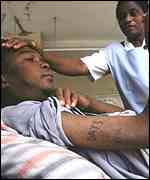
| | Monday, 12 August, 2002, 14:50 GMT 15:50 UK The future of HIV drugs 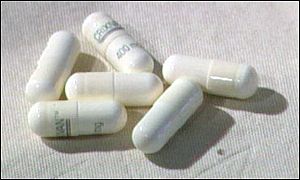 Doctors are studying HIV drugs' long-term effects HIV care has been revolutionised by the use of anti-retroviral drugs, which has allowed people to live for many years with the virus. But after the positive news about the benefits of the drugs, there are now concerns about possible side-effects. And, although antiretrovirals are widely available in developing countries, there are concerns that HIV patients in developing countries do not having the same access to the drugs.
But he said: "The medicines often don't make people feel well. "Gastro-intestinal upsets, diarrhoea, weakness, rashes, and some people have trouble swallowing the large numbers of pills." He added: "Mid to long-term, we're appreciating the toxicity of the medicine." Dr Telzak said one type of drug, protease inhibitors, among the most effective had been linked to diabetes and cardiovascular disease in some studies. Long-term effects Now doctors say it is essential to look in detail at the long-term consequences of taking these medications. Dr Telzak is involved in a major international long-term study to look at the effects of the drugs. "It is no longer adequate to look at six, 12, or two year follow-up data. "We need to know what the outcomes are at five, 10 years or even longer." The US federal government is now funding the community-based SMART study of people, which aims to monitor 6,000 patients for around seven years.
Recruitment of patients to the trial began in January this year. Although medication is tailored to each person's lifestyle to try to ensure patients keep taking their medication, doctors running the trial face the challenge of ensuring people comply with their drug regimes for the full seven years High cost Treating HIV/AIDS in the US is very expensive. Combination therapy - the use of two, three or even more anti-retroviral drugs together - costs up to $12,000 per person per year. With the cost of counselling, social support and medical care, the figure is a lot higher. America can afford the cost as only 0.6% of the population is infected. But the problem is more acute for developing countries, who do not have the money to fund the expensive anti-retrovirals drugs. In Uganda, cheap anti-retrovirals cost about a tenth of the price of those in the US. But there, 5% percent of people are infected. Paying for anti-retroviral medication for all Uganda's 150,000 Aids sufferers would cripple the national health budget. Even international funding may not be enough to ensure a sustainable policy to give patients anti-retroviral drugs. This story is featured in the radio programme Health Matters:Living Positively on the BBC World Service. Click here for listening times | | See also:  30 Apr 02 | Health 12 Jul 02 | Health 09 Jul 02 | Health 07 Jul 02 | Health 05 Jul 02 | Health 06 Jul 02 | Health Internet links: The BBC is not responsible for the content of external internet sites Top Health stories now: Links to more Health stories are at the foot of the page. | |||||||||||||||||||||||||||||||||||||||||||||||||||||||||||||||||||||||||||||||||||||||||||||||||||||||||||||||||||||||||||||||||||||||||
| |
|  E-mail this story to a friend E-mail this story to a friend |
| |
| Links to more Health stories |
| | | ||
 | ||||
 | | Back to top
| ||
| ---------------------------------------------------------------------------------- To BBC Sport>> | To BBC Weather>> | To BBC World Service>> ---------------------------------------------------------------------------------- © MMIII | News Sources | Privacy |