
|
 |
 | | | | | | ||||||||||||||||||||||||||||||||||||||||||||||||||||||||||||||||||||||||||||||||||||||||||||||||||||||||||||||||||||||||||||||||||||||||
| | | You are in: Health | ||||||||||||||||||||||||||||||||||||||||||||||||||||||||||||||||||||||||||||||||||||||||||||||||||||||||||||||||||||||||||||||||||||||||||
|
| | Sunday, 18 August, 2002, 23:02 GMT 00:02 UK Patients to 'teach' medical students 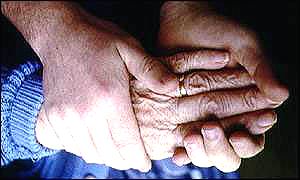 Patient interaction should improve knowledge Students are to learn more about arthritis from the experts in the field - the patients. A pioneering scheme at the University of East Anglia (UEA) is to link the new students with patients in a bid to increase their understanding of the problems of sufferers. Charities have backed the move saying that students often have little understanding about arthritis. Students at the UEA will spend have an extensive 15 week course on arthritis and rheumatism in their first year.
They will also have weekly placements in GP surgeries and four week attachments in hospital rheumatology and orthopaedic departments. Patients Professor Amanda Howe, of the UEA, said it was important to get the patients' input. "We will be recruiting arthritis patients from the new GP teaching practices in Norfolk and Suffolk, and who attend rheumatology clinics at the Norfolk and Norwich Hospital and the James Paget Hospital in Great Yarmouth. "As patients are experts in their own condition, the students will learn a great deal from them, and we think patients will get something out of this too - they will get more time hearing their doctors discuss their condition with medical students, and more of a chance to show students how people cope with illness. "We are confident that students who undertake this course will be shown to be more sensitive to the whole spectrum of patient concerns, and more effective in helping them with both their medical and social needs." Knowledge The Arthritis Research Campaign, which has given the UEA almost �70,000 for the two year study, said it hoped the course would improve knowledge of arthritis. A spokeswoman said: "We believe that many medical students are ill equipped to deal with arthritis and related problems when they qualify because they get very little formal education in managing such conditions during their training, either in the hospital or a community setting. "Although musculoskeletal conditions account for one fifth of all visits to the doctor, a recent survey revealed that fewer than half of all GP trainees had ever had specific rheumatology training at medical school, and as a result, some family doctors have little confidence in their abilities to diagnose and assess arthritic conditions." | | See also:  03 May 02 | Health 22 Mar 02 | Health 22 Nov 01 | Health 01 Aug 00 | Health 20 Apr 01 | Health Internet links: The BBC is not responsible for the content of external internet sites Top Health stories now: Links to more Health stories are at the foot of the page. | ||||||||||||||||||||||||||||||||||||||||||||||||||||||||||||||||||||||||||||||||||||||||||||||||||||||||||||||||||||||||||||||||||||||||
| |
|  E-mail this story to a friend E-mail this story to a friend |
| |
| Links to more Health stories |
| | | ||
 | ||||
 | | Back to top
| ||
| ---------------------------------------------------------------------------------- To BBC Sport>> | To BBC Weather>> | To BBC World Service>> ---------------------------------------------------------------------------------- © MMIII | News Sources | Privacy |





