
|
 |
 | | | | | | ||||||||||||||||||||||||||||||||||||||||||||||||||||||||||||||||||||||||||||||||||||||||||||||||||||||||||||||||||||||||||||||||||||||||
| | | You are in: Health | ||||||||||||||||||||||||||||||||||||||||||||||||||||||||||||||||||||||||||||||||||||||||||||||||||||||||||||||||||||||||||||||||||||||||||
|
| | Friday, 9 August, 2002, 23:28 GMT 00:28 UK Clue to cancer's drug resistance 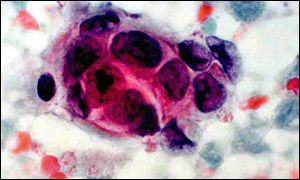 Cancer cells can become resistant to drugs Scientists have shed light on how breast cancer cells turn into more aggressive forms that are resistant to treatment. Despite recent advances in breast cancer treatment that have led to long-term survival for millions of women, most tumours eventually stop responding to standard therapies. Researchers at the University of Texas have discovered what might be behind this change.
The key appears to be a protein called MTA1s, which is found in aggressive cancer cells. The protein seems to sabotage the way that the cells respond to the female sex hormone oestrogen. It does this by preventing receptors that respond to oestrogen signals from entering the command centre of the cell. The majority of breast cancer cells are stimulated to multiply by oestrogen. Drugs such as Tamoxifen work by blocking this signal. Unusual response However, aggressive cancer cells appear not to respond to oestrogen in the usual way, and multiply independently of the hormone. This means that Tamoxifen-type drugs are rendered ineffective, because blocking the oestrogen signal has no effect. Lead researcher Professor Rakesh Kumar said: "This research is an important step toward understanding how breast cancers become hormone independent. "With greater understanding, we can design new therapies to prevent or perhaps reverse this transformation." The researchers studied 31 breast cancer patients. They found that levels of MTA1s were four times higher in patients whose tumours had been classified as not responding to oestrogen. They also discovered that by deleting part of the protein, they could block its effect. Professor Charles Coombes, of Hammersmith Hospital, London, said the research was potentially important. However, he said more work was needed to test the theory against the outcome of treatment for patients. The research is published in the journal Nature. | | See also:  06 Aug 02 | Health 21 Mar 02 | Health 17 Mar 00 | C-D Internet links: The BBC is not responsible for the content of external internet sites Top Health stories now: Links to more Health stories are at the foot of the page. | ||||||||||||||||||||||||||||||||||||||||||||||||||||||||||||||||||||||||||||||||||||||||||||||||||||||||||||||||||||||||||||||||||||||||
| |
|  E-mail this story to a friend E-mail this story to a friend |
| |
| Links to more Health stories |
| | | ||
 | ||||
 | | Back to top
| ||
| ---------------------------------------------------------------------------------- To BBC Sport>> | To BBC Weather>> | To BBC World Service>> ---------------------------------------------------------------------------------- © MMIII | News Sources | Privacy |





