
|
 |
 | | | | | | ||||||||||||||||||||||||||||||||||||||||||||||||||||||||||||||||||||||||||||||||||||||||||||||||||||||||||||||||||||||||||||||||||||||||||||||||||||||||||
| | | You are in: Health | ||||||||||||||||||||||||||||||||||||||||||||||||||||||||||||||||||||||||||||||||||||||||||||||||||||||||||||||||||||||||||||||||||||||||||||||||||||||||||||
|
| | Sunday, 28 July, 2002, 23:01 GMT 00:01 UK Ukraine to tackle Aids epidemic 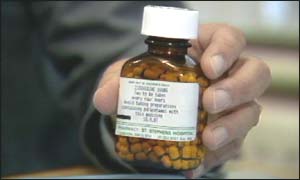 Anti-retroviral drugs are not widely available in Ukraine Doctors in the Ukraine are hoping a multi-million pound package will help to halt the rapid spread of HIV across the country. The global Aids fund and the World Bank have pledged a total of $99m to help the Ukrainian government to fight the disease. A report by UNAids, published in July, found that HIV is spreading fastest in Ukraine and other European countries.
One in four new cases of HIV in Ukraine occurs through heterosexual contact. Education campaign Dr Alexander Sidyatchenko, head of prevention and treatment of infectious diseases at Odessa Health Authority, said a large proportion of the money will be used to fund a public education campaign. "Our population is little informed. There are few TV broadcasts. We want to make it so that people are surrounded with this information from every quarter, so that they see it on a bus, in the cinema and in restaurants and bars." Dr Sidyatchenko said there was a worrying lack of awareness of how HIV is spread in Odessa and other parts of Ukraine. "People are not aware of the danger. Everybody think it's somebody else's problem - not their family's - but they are deeply mistaken." Five years ago, just a handful of Ukrainians were infected with HIV. However, now 1% of the population has the disease. Dr Sidyatchenko believes worse is to come. "We are witnessing the beginning of the Aids epidemic," he said. He called on pharmaceutical companies to reduce the price of antiretroviral drugs to enable health officials to halt the spread of the disease. "Our Ministry of Health has bought some anti-retroviral drugs which we are starting to receive. "But they are expensive. We need the companies producing these drugs to lower their prices so that we can afford to treat all people here with HIV and help prevent them from developing Aids." This story is featured in the radio programme Health Matters on the BBC World Service. Click here for listening times | |
See also:  02 Jul 02 | Health 02 Jul 02 | Health 02 Jul 02 | Health 10 Jul 02 | Health Internet links: The BBC is not responsible for the content of external internet sites Top Health stories now: Links to more Health stories are at the foot of the page. | ||||||||||||||||||||||||||||||||||||||||||||||||||||||||||||||||||||||||||||||||||||||||||||||||||||||||||||||||||||||||||||||||||||||||||||||||||||||||||
| |
|  E-mail this story to a friend E-mail this story to a friend |
| |
| Links to more Health stories |
| | | ||
 | ||||
 | | Back to top
| ||
| ---------------------------------------------------------------------------------- To BBC Sport>> | To BBC Weather>> | To BBC World Service>> ---------------------------------------------------------------------------------- © MMIII | News Sources | Privacy |






