|
 |
 | | | | | | |||||||||||||||||||||||||||||||||||||||||||||||||||||||||||||||||||||||||||||||||||||||||||||||||||||||||||||||||||||||||||||||||||||||||
| | | You are in: Health | |||||||||||||||||||||||||||||||||||||||||||||||||||||||||||||||||||||||||||||||||||||||||||||||||||||||||||||||||||||||||||||||||||||||||||
|
| | Tuesday, 23 July, 2002, 23:01 GMT 00:01 UK Poor literacy puts diabetics at risk 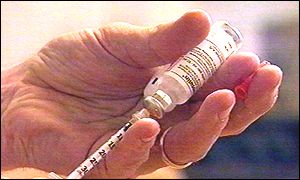 Diabetes can cause serious complications Poor literacy skills appear to put diabetes patients at greater risk of complications, research suggests. A study has found diabetes patients with a low level of literacy are nearly twice as likely to have poorly-controlled blood sugar and serious long-term diabetes complications than patients with a better level of literacy. The research emphasises how vital it is that people with diabetes are fully briefed on how to manage their condition.
Patients often must monitor their own blood sugar, manage multiple medications, visit many providers, maintain food hygiene, adhere to diet and meal plans, and follow exercise programmes. They also have to be able to identify when they are having problems, and know what action to take. Lead researcher Dr Dean Schillinger, of San Francisco General Hospital Medical Center, said: "Diabetes patients rely on a number of tools to manage their disease and prevent serious health problems. "For patients with low literacy, it's as though they have received the toolkit, but not the operating instructions." "Because our health system expects patients to be able to read at a very high level, we may be leaving a lot of patients in the dark." Problems The research revealed that people with low levels of literacy had problems reading labels on pill bottles, and interpreting blood sugar values or drug doses. In total 408 patients with adult-onset diabetes took part in the study.
In contrast, the condition was found in just 19% of patients with better literacy skills. The risks of developing diabetic retinopathy can be minimised by proper control of blood sugar levels. But only 20% of patients with poor literacy had optimal blood sugar control, compared to 33% of those with higher literacy skills. UK similar A spokesman for the charity Diabetes UK said: "Diabetes is a complex condition to manage and poor literacy makes this even more difficult. "People with diabetes in the UK are almost definitely facing similar problems to those in this study. "This is particularly true of those whose first language may not be English, such as those from an Asian background where diabetes is up to five times more common. "This is a difficult problem to address but recognising it is an important first step. It is then vital that patients are treated as individuals and their individual needs are addressed." The research is published in the Journal of the American Medical Association. | | See also:  24 May 02 | Health 09 Feb 99 | Medical notes 30 May 02 | Health Internet links: The BBC is not responsible for the content of external internet sites Top Health stories now: Links to more Health stories are at the foot of the page. | |||||||||||||||||||||||||||||||||||||||||||||||||||||||||||||||||||||||||||||||||||||||||||||||||||||||||||||||||||||||||||||||||||||||||
| |
|  E-mail this story to a friend E-mail this story to a friend |
| |
| Links to more Health stories |
| | | ||
 | ||||
 | | Back to top
| ||
| ---------------------------------------------------------------------------------- To BBC Sport>> | To BBC Weather>> | To BBC World Service>> ---------------------------------------------------------------------------------- © MMIII | News Sources | Privacy |