
|
 |
 | | | | | | ||||||||||||||||||||||||||||||||||||||||||||||||||||||||||||||||||||||||||||||||||||||||||||||||||||||||||||||||||||||||||||||||||||||||||||||||||||||||||||||||||||||||||
| | | You are in: Health | ||||||||||||||||||||||||||||||||||||||||||||||||||||||||||||||||||||||||||||||||||||||||||||||||||||||||||||||||||||||||||||||||||||||||||||||||||||||||||||||||||||||||||||
|
| | Thursday, 18 July, 2002, 08:42 GMT 09:42 UK 'Designer baby' ruling condemned 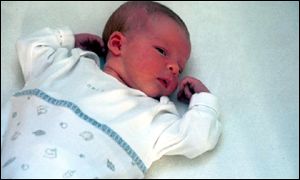 The HFEA regulates fertility treatment in the UK The body which gave the go-ahead for a controversial "designer baby" has been heavily criticised for the way it handled the decision. The Human Fertilisation and Embryology Authority (HFEA), which regulates IVF clinics, agreed to allow the Hashmi family from Leeds to attempt to create an baby genetically selected to help treat a desperately-ill child. The "tissue typing" tests were designed to help select embryos that would match their son Zain, who suffers from the dangerous blood condition thalassaemia.
His parents, Raj and Shahana, hoped cells taken from the umbilical cord of the new baby could cure the rare genetic disorder. In a report published on Thursday, the House of Commons Science and Technology Committee said the HFEA should have consulted more widely on the issue. The committee said: "Democracy is not served by unelected quangos taking decisions on behalf of Parliament." Committee chairman Dr Ian Gibson is calling for a public debate on "where we draw the line in terms of the characteristics we would like to see in children produced by these new methodologies". "We have to start rethinking what the word 'life' really means," he told BBC Radio 4's Today programme. But HFEA chairman Suzy Leather denied they agreed to create a baby who would have to give "spare parts" to save a sibling. "What the authority agreed to do was to allow parents to choose an embryo that when it developed into a child was not going to suffer from precisely the same horrible disease," she told Today. The authority did give permission for tissue typing of the embryo - not only to check for thalassaemia, but also to provide an embryo that matched Zain. This means that fewer embryos would be suitable. Delayed research During its investigation, the committee heard complaints from researchers that getting permission for scientific experiments involving embryos took far too long. Professor Austin Smith, a leading stem cell researcher at the University of Edinburgh, told the committee the HFEA was "lacking in specialist knowledge".
The committee concluded: "Britain is well placed to be a world leader in human genetics and embryology research and it is crucial our scientists are not hampered by bureaucracy." The HFEA and the regulation it enforces were created by Act of Parliament in 1990 - but the MPs say scientific progress in the past decade means a new law is needed. 'Runaway quango' Dr Simon Fishel, who runs the fertility clinic granted permission to treat the Hashmis, said that he did not think that MPs could do any better than the HFEA at wrestling with difficult cases. He said: "If they are criticising the HFEA they need to support it to do a better job." He revealed that the Hashmis had already undergone one cycle of IVF, which had not yielded an embryo both matching Zain and free of thalassaemia. Comment on Reproductive Ethics (Core) is currently planning a High Court challenge to the Hashmi HFEA decision. A spokesman said: "The presumption Parliament had in some willing way delegated this power to the HFEA has been strongly rejected by the Science and Technology Report." A spokesman for Life UK said: "We call upon Parliament to carry out a radical reform of this runaway quango. "Its powers should be carefully restricted, its membership more balanced, its duty to respect and protect vulnerable human life clearly spelt out." | |
See also:  22 Feb 02 | Health 22 Feb 02 | Health 24 Feb 02 | Health 27 Feb 02 | Science/Nature 01 Mar 02 | Science/Nature 13 Apr 02 | Health Internet links: The BBC is not responsible for the content of external internet sites Top Health stories now: Links to more Health stories are at the foot of the page. | ||||||||||||||||||||||||||||||||||||||||||||||||||||||||||||||||||||||||||||||||||||||||||||||||||||||||||||||||||||||||||||||||||||||||||||||||||||||||||||||||||||||||||
| |
|  E-mail this story to a friend E-mail this story to a friend |
| |
| Links to more Health stories |
| | | ||
 | ||||
 | | Back to top
| ||
| ---------------------------------------------------------------------------------- To BBC Sport>> | To BBC Weather>> | To BBC World Service>> ---------------------------------------------------------------------------------- © MMIII | News Sources | Privacy |






