
|
 |
 | | | | | | ||||||||||||||||||||||||||||||||||||||||||||||||||||||||||||||||||||||||||||||||||||||||||||||||||||||||||||||||||||||||||||||||||||||
| | | You are in: Health | ||||||||||||||||||||||||||||||||||||||||||||||||||||||||||||||||||||||||||||||||||||||||||||||||||||||||||||||||||||||||||||||||||||||||
|
| | Saturday, 13 July, 2002, 23:15 GMT 00:15 UK Gene defect 'causes miscarriages' 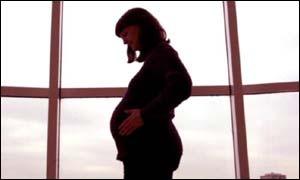 About one in five pregnancies end in miscarriage Scientists believe they may have found a way to prevent pregnant women from having miscarriages. Researchers at Montana State University in the US have identified a gene defect, which they believe causes some women to miscarry. They believe that a defect in the TBP gene causes the mother's immune system to view the foetus as "foreign" tissue and to attack it. An estimated one in five pregnancies end in miscarriage and in many cases doctors are unable to explain the reasons why. Key gene The TBP gene is one of the most important in the human body. It can also be found in every other living organism. It plays a key role in directing cells in the body, enabling them to produce proteins and chemicals that allow us to function. In humans and animals, the TBP gene has an extra region. However, little is known about it. Dr Edward Schmidt and colleagues bred mice without this extra region. These mutant mice appeared normal and healthy but had a high miscarriage rate. Tests showed that the mice had defects in the placenta, which surrounds the foetus in the womb. The researchers found that miscarriages could be prevented by suppressing the immune system of the mutant mothers. The mice also had normal pregnancies if researchers disrupted a signal from the placenta that identifies the foetus as "foreign" tissue. This led the researchers to conclude that the extra region of the TBP gene plays a key role in protecting the foetus from the mother's immune system during pregnancy and therefore against miscarriage. Treatment hopes Dr Schmidt said he hoped the study findings, published in the journal Cell, could be used to develop treatments for women who repeatedly miscarry. He also suggested that the finding could also have benefits for transplant patients. In many instances, their bodies' reject transplant organs because their immune systems see them as foreign tissue. Dr Schmidt said: "Since all cells in the body have the same genes, imagine if we could figure out how to turn on the genes for the placenta's hiding system in a kidney before it was transplanted." | | See also:  01 Jul 02 | Health 29 Jan 02 | Health 26 Jul 01 | Health Internet links: The BBC is not responsible for the content of external internet sites Top Health stories now: Links to more Health stories are at the foot of the page. | ||||||||||||||||||||||||||||||||||||||||||||||||||||||||||||||||||||||||||||||||||||||||||||||||||||||||||||||||||||||||||||||||||||||
| |
|  E-mail this story to a friend E-mail this story to a friend |
| |
| Links to more Health stories |
| | | ||
 | ||||
 | | Back to top
| ||
| ---------------------------------------------------------------------------------- To BBC Sport>> | To BBC Weather>> | To BBC World Service>> ---------------------------------------------------------------------------------- © MMIII | News Sources | Privacy |



