|
 |
 | | | | | | ||||||||||||||||||||||||||||||||||||||||||||||||||||||||||||||||||||||||||||||||||||||||||||||||||||||||||||||||||||||||||||||||||||||||||||||||||||||||||||||||||||||||||||||||||||||||||||||||||||||||||||||||||
| | | You are in: Europe | ||||||||||||||||||||||||||||||||||||||||||||||||||||||||||||||||||||||||||||||||||||||||||||||||||||||||||||||||||||||||||||||||||||||||||||||||||||||||||||||||||||||||||||||||||||||||||||||||||||||||||||||||||||
|
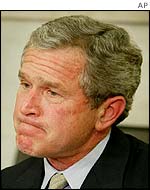
| | Tuesday, 11 February, 2003, 19:47 GMT French politics shape Iraq stance  Chirac may be more pre-occupied by how he looks back home
His stance has been described by critics as ambiguous at best, self-serving at worst. Accused by some of chasing French economic interests in Iraq's oilfields, Mr Chirac's motivations may also have to do with some very prosaic domestic considerations.
At the recent Franco-German summit marking 40 years of friendship, it seemed that France and Germany agreed to do everything possible to avoid war. But France has not yet made its mind up about war one way or the other, says Jacques Beltran, Iraq analyst at the Paris-based French Institute for International Relations (IFRI).
"France's position may come across as ambiguous, but in reality it is not. All along France has said that force should be used as a last resort. It must be sure that all peaceful means have been exhausted before resorting to force," he told BBC News Online. "It is clear that the Franco-American relationship is in crisis. France does not agree over the means to reach these objectives. It does not object to America's objectives, but over its method," he says. Anti-American? In trying to understand France's attitude towards the Iraq crisis, American officials may be thinking back to the time when President Charles de Gaulle took France out of Nato to keep France free from American influence. President de Gaulle saw US dominance as the main threat to his country, and all French leaders after him have continued a tradition of staking claims towards an independent French policy.
"It is the compensation of our failures; we were once upon a time a great power, we are one no longer. Europe is struggling to build itself, we resent the US for having a global power when we built the American 'hyperpower' in the first place," he told French television. In an interview with the International Herald Tribune, Mr Chirac seemed to confirm that thinking when he said: "In life, you know, one must not confuse friends with sycophants," talking about the Franco-American relationship. "It's better to have only a few friends than to have a lot of sycophants. And I'm telling you that France considers itself one of the friends of the Americans, not necessarily one of its sycophants. And when we have something to say, we say it." Public opinion There is also French public opinion to be taken into consideration. A poll published by the Figaro newspaper on Tuesday shows French people very sceptical about any action against Iraq. Almost three-quarters want France to use its veto if the US proposes a resolution calling for war on Iraq. Since his re-election last year, Mr Chirac is reported to have kept a close eye on those very polls and has concentrated on foreign policy as the main area where he could make a long-lasting impact. Now that he is free from the shackles of power-sharing with a Socialist government following last year's elections, Mr Chirac can make his mark on French diplomacy as he sees fit. Mr Chirac's personal desire to be remembered in history as a man of peace after seven years of relative inaction on that front may indeed be a powerful motive. No foregone conclusion Friday - when the UN weapons inspectors report to the security council - will be a key day for Mr Chirac and French diplomacy. If it emerges that Baghdad is caving in to diplomatic pressure and has indeed made progress towards co-operation with the weapons inspectors, then France will feel justified in its stance. "It is not difficult to imagine a scenario where France does not follow America's lead and refrains from entering a conflict against Iraq," Mr Beltran says. The fact that France's only aircraft carrier, the Charles de Gaulle, is being despatched to the Gulf does not necessarily means it is getting ready for war. France is giving itself the means of following a policy where it can assist the inspectors' efforts rather than take part in a possible war, Mr Beltran says. President Chirac seemed to echo this when he said at a press conference marking the visit of Russian President Vladimir Putin in Paris on Monday: "This region really does not need another war. "I am convinced that is the opinion of a very, very large majority of the world's population and of a very, very large majority of the political leaders of the world's countries." | |
See also:  06 Feb 03 | Middle East 04 Feb 03 | Europe 13 Nov 98 | DECISION MAKERS AND DIPLOMACY 11 Feb 03 | Europe 11 Feb 03 | Europe Internet links: The BBC is not responsible for the content of external internet sites Top Europe stories now: Links to more Europe stories are at the foot of the page. | ||||||||||||||||||||||||||||||||||||||||||||||||||||||||||||||||||||||||||||||||||||||||||||||||||||||||||||||||||||||||||||||||||||||||||||||||||||||||||||||||||||||||||||||||||||||||||||||||||||||||||||||||||
 | |
|  E-mail this story to a friend E-mail this story to a friend |
| |
| Links to more Europe stories |
| | | ||
 | ||||
 | | Back to top
| ||
| ---------------------------------------------------------------------------------- To BBC Sport>> | To BBC Weather>> | To BBC World Service>> ---------------------------------------------------------------------------------- © MMIII | News Sources | Privacy |






 It is clear that the Franco-American relationship is in crisis. France does not object to America's objectives, but over its method