|
 |
 | | | | | | ||||||||||||||||||||||||||||||||||||||||||||||||||||||||||||||||||||||||||||||||||||||||||||||||||||||||||||||||||||||||||||||||||||||||||||||||||||||||||||||||||||||||||||||||||||||||||||||||||||||||||||||
| | | You are in: Europe | ||||||||||||||||||||||||||||||||||||||||||||||||||||||||||||||||||||||||||||||||||||||||||||||||||||||||||||||||||||||||||||||||||||||||||||||||||||||||||||||||||||||||||||||||||||||||||||||||||||||||||||||||
|
| | Thursday, 5 December, 2002, 17:25 GMT Wind pushes oil from Spain's coast 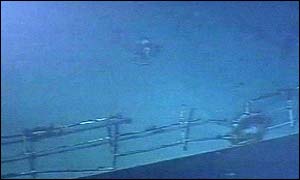 The wreck has been filmed by the French sub Oil from the sunken tanker Prestige is being blown away from north-west coast of Spain for the first time since the vessel went down last month, a Spanish government minister has said.
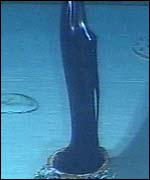
Mr Rajoy said a French mini-submarine sent down to examine the wreckage had detected four small streams of solidified oil emerging from the tanker's bow and floating towards the surface, but he insisted there were no major leaks. Neighbours Portugal and France are on high alert for oil approaching their coastlines, while the Spanish Government's handling of the crisis is coming under increasing criticism.
It then broke apart while being towed further out to sea on 19 November. The two parts now languish on the sea bed some 250 kilometres (155 miles) west of Spain. Experts hope the fuel oil will have solidified due to the low temperatures. Local anger Dozens of beaches along the Galician coastline have already been contaminated by thick sludge, and the local fishing industry has been thrown into crisis.
Opposition parties and environmental groups have accused the government in Madrid of not reacting quickly enough to the disaster. "We could all have done better, not just the government," Mr Rajoy said. Portuguese emergency workers have been setting up booms to try to protect key fisheries and nature reserves from the oil, although officials have expressed confidence that the country will escape widespread pollution. France is also taking measures to protect its coastline, and is sending more surveillance planes to monitor the progress of the slicks. | |
See also:  03 Dec 02 | Europe 21 Nov 02 | Europe 03 Dec 02 | Europe 01 Dec 02 | Europe 01 Dec 02 | Europe 19 Nov 02 | Science/Nature Internet links: The BBC is not responsible for the content of external internet sites Top Europe stories now: Links to more Europe stories are at the foot of the page. | ||||||||||||||||||||||||||||||||||||||||||||||||||||||||||||||||||||||||||||||||||||||||||||||||||||||||||||||||||||||||||||||||||||||||||||||||||||||||||||||||||||||||||||||||||||||||||||||||||||||||||||||
| |
|  E-mail this story to a friend E-mail this story to a friend |
| |
| Links to more Europe stories |
| | | ||
 | ||||
 | | Back to top
| ||
| ---------------------------------------------------------------------------------- To BBC Sport>> | To BBC Weather>> | To BBC World Service>> ---------------------------------------------------------------------------------- © MMIII | News Sources | Privacy |