|
 |
 | | | | | | |||||||||||||||||||||||||||||||||||||||||||||||||||||||||||||||||||||||||||||||||||||||||||||||||||||||||||||||||||||||||||||||||||||||||||||||||||||||||||||||||
| | | You are in: Europe | |||||||||||||||||||||||||||||||||||||||||||||||||||||||||||||||||||||||||||||||||||||||||||||||||||||||||||||||||||||||||||||||||||||||||||||||||||||||||||||||||||
|
| | Wednesday, 4 December, 2002, 14:20 GMT Report attacks arms sales to Iraq 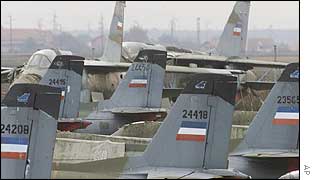 There may be a Balkan-wide network of arms traders Yugoslavia's arms trade with Iraq may have helped Saddam Hussein's efforts to develop chemical weapons, a major think-tank has alleged in a report. The Brussels-based International Crisis Group (ICG) claims Yugoslavia's arms deals with Iraq continued even after the ousting in 2000 of ex-President Slobodan Milosevic, known for close ties with the Iraqi leader.
In a report entitled Arming Saddam: The Yugoslav connection, the group demanded that Belgrade specify whether chemical munitions were sold to Iraq, and whether any nuclear materials had been sold to third countries. Yugoslav Interior Minister Zoran Zivkovic denied on Tuesday that any exports related to chemical, biological, anti-aircraft or aircraft weapons had taken place during the last few years. He also said Yugoslavia had already acted to halt military co-operation with countries under international arms embargoes. 'No control' Trade involving missile, aviation and chemical technology in violation of a United Nations embargo continued may still be going on, the report said.
"They raise serious questions about how much has changed in Belgrade since Milosevic's day," it said. The ICG said it received US State Department information that cruise missile-related technology had been sold directly to Iraq, and that Yugoslavia sold 200 tons of weapons stocks to Liberia - another country under a UN arms embargo. The group - whose board members include ex-Finnish President Martti Ahtisaari and former Australian Foreign Minister Gareth Evans - said its report showed lack of civilian control over the military. Top political figures "either knew about the sales and did nothing to halt them - or should have known and acted", the group's Balkans programme chief, Nicholas Whyte, alleged in the report. 'Loopholes' When a draft of the ICG report was published in Belgrade media last week, Yugoslav Defence Minister Velimir Radojevic - also alleged by the group to have known about the Iraqi deals - denied that the state or his defence ministry were involved. The Yugoslav Government blames the illegal trade on a few corrupt individuals and imprecise laws that left loopholes. The US alleged in October that a Bosnian Serb company had been refurbishing Iraqi jets with the help of Jugoimport, Yugoslavia's main export-import agency. Belgrade promptly sacked its head of the company and an assistant defence minister. | | See also:  07 Nov 02 | Europe 31 Oct 02 | Europe 29 Oct 02 | Europe 29 Oct 02 | Europe 27 Oct 02 | Europe 23 Oct 02 | Europe 20 Oct 02 | Europe Internet links: The BBC is not responsible for the content of external internet sites Top Europe stories now: Links to more Europe stories are at the foot of the page. | |||||||||||||||||||||||||||||||||||||||||||||||||||||||||||||||||||||||||||||||||||||||||||||||||||||||||||||||||||||||||||||||||||||||||||||||||||||||||||||||||
| |
|  E-mail this story to a friend E-mail this story to a friend |
| |
| Links to more Europe stories |
| | | ||
 | ||||
 | | Back to top
| ||
| ---------------------------------------------------------------------------------- To BBC Sport>> | To BBC Weather>> | To BBC World Service>> ---------------------------------------------------------------------------------- © MMIII | News Sources | Privacy |