|
 |
 | | | | | | |||||||||||||||||||||||||||||||||||||||||||||||||||||||||||||||||||||||||||||||||||||||||||||||||||||||||||||||||||||||||||||||||||||||||||||||||||||||||||||||||||||||||||||||||||||||||
| | | You are in: Europe | |||||||||||||||||||||||||||||||||||||||||||||||||||||||||||||||||||||||||||||||||||||||||||||||||||||||||||||||||||||||||||||||||||||||||||||||||||||||||||||||||||||||||||||||||||||||||||
|
| | Wednesday, 13 November, 2002, 14:21 GMT Russia passes tough new terror laws 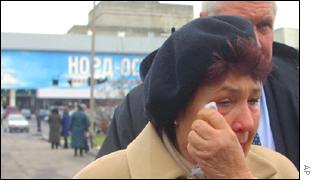 The Moscow theatre siege prompted the move
Under the new rules the bodies of those who die as a result of an anti-terrorist operation will not be released to their families. And media reporting on terrorism and counter-terrorism will be severely restricted.
These laws were rushed through the lower house, the State Duma, in the wake of the recent hostage-taking in a Moscow theatre. Now they need just presidential approval to become law. Neither bill met much opposition in the upper house - two against, and seven abstentions to the law dealing with terrorists' bodies; one against and two abstentions to the media restrictions. But human rights groups and liberals are voicing concerns. Not handing back to the families the bodies of those deemed terrorists by the authorities - nor even disclosing the place of burial - punishes the family for the offence of the individual, they say. Protesters The media law is more detailed, but wide-ranging. The media will not be allowed to be used for the propaganda and justification of terrorism and extremism. There will be a ban on disseminating information about techniques for making weapons or explosives. And the media will not be allowed to pass on any information which could in any way impede the conduct of an anti-terrorist operation. A group from the liberal political party, Yabloko, staged a small demonstration outside the Federation Council building before the vote was taken. They claim that this represents serious censorship of the media, but the demonstration was broken up by police, who said that it had not been sanctioned 10 days in advance. The debate was scheduled for the upper house less than 10 days ago. | |
Internet links:  The BBC is not responsible for the content of external internet sites Top Europe stories now: Links to more Europe stories are at the foot of the page. | |||||||||||||||||||||||||||||||||||||||||||||||||||||||||||||||||||||||||||||||||||||||||||||||||||||||||||||||||||||||||||||||||||||||||||||||||||||||||||||||||||||||||||||||||||||||||
| |
|  E-mail this story to a friend E-mail this story to a friend |
| |
| Links to more Europe stories |
| | | ||
 | ||||
 | | Back to top
| ||
| ---------------------------------------------------------------------------------- To BBC Sport>> | To BBC Weather>> | To BBC World Service>> ---------------------------------------------------------------------------------- © MMIII | News Sources | Privacy |